Top Energy Efficiency Upgrades After Level 2 Audit

An ASHRAE Level 2 energy audit gives building owners a practical roadmap for reducing energy use, controlling operating costs, and planning future improvements. After evaluating building systems and energy consumption, the audit identifies Energy Conservation Measures (ECMs) and helps determine which projects deserve priority.
At Eco Energy Solutions MN LLC, we provide ASHRAE Level 2 energy audits for commercial, industrial, and public-sector facilities throughout New Hope, Minneapolis, St. Paul, and communities across Minnesota. While recommendations vary by property, these 10 upgrades are commonly worth evaluating after an audit.
Why a Level 2 Energy Audit Matters
A Level 2 audit goes beyond a basic walk-through by examining building systems, energy consumption, and potential efficiency measures in greater detail. Recommendations can include estimated implementation costs, projected savings, and expected payback periods.
This information helps facility managers compare opportunities and develop an improvement strategy based on budget, building needs, and energy goals.
1. Upgrade Interior and Exterior Lighting
Replacing older fluorescent or inefficient lighting with LEDs can reduce electricity consumption and maintenance requirements.
Additional improvements may include occupancy sensors, daylight controls, and more efficient exterior lighting. Lighting projects are often attractive because they can provide measurable savings without major disruption to building operations.
2. Optimize HVAC Controls
Heating and cooling systems may operate longer than necessary because schedules and settings no longer match actual building occupancy.
An audit may identify opportunities to adjust operating schedules, temperature setpoints, ventilation rates, and after-hours operation. These changes can reduce unnecessary HVAC energy use while maintaining occupant comfort.
3. Replace Aging HVAC Equipment
Older HVAC equipment may become less efficient and more costly to maintain.
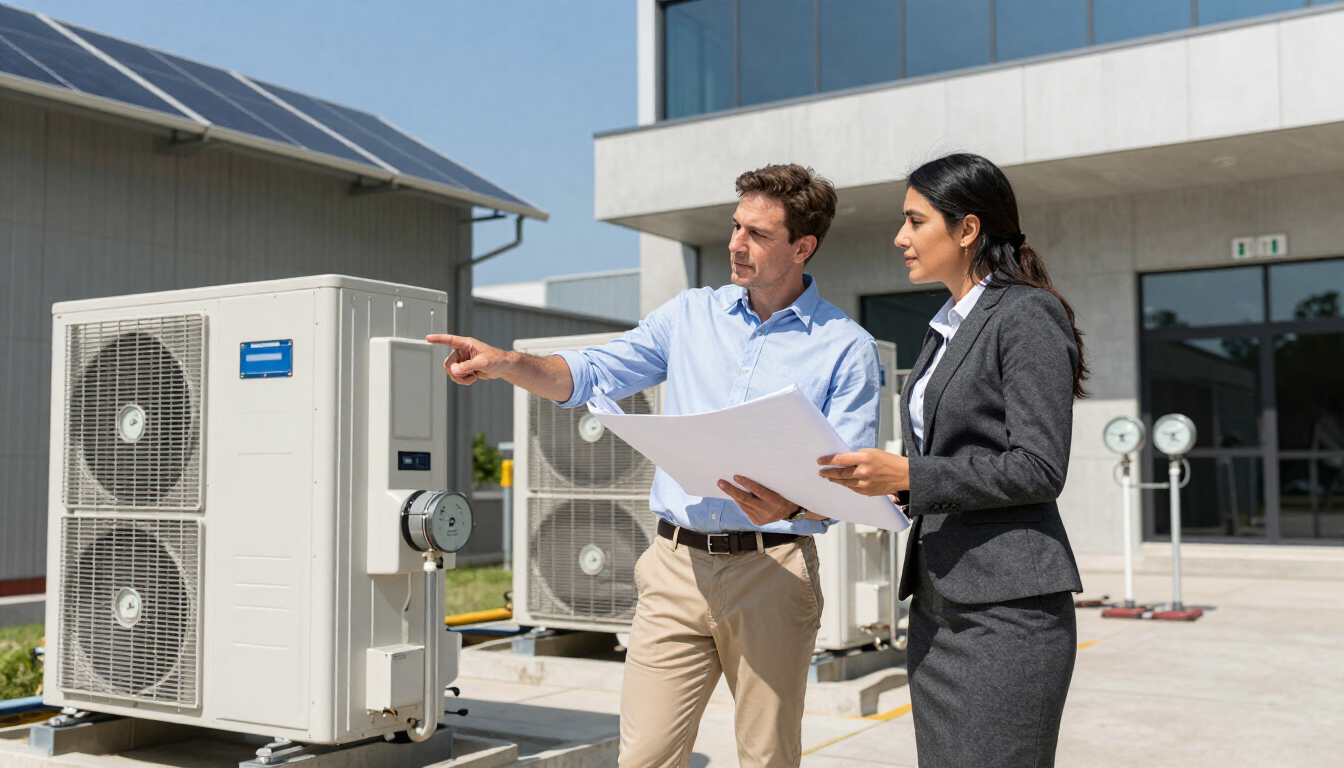
Depending on system condition, recommendations could include high-efficiency rooftop units, boilers, chillers, or other equipment. Replacement decisions should consider efficiency improvements alongside equipment age, reliability, maintenance costs, and capital budgets.
4. Improve Building Automation Systems
A building automation system can help coordinate HVAC and other equipment based on occupancy, schedules, and demand.
Potential improvements include updating control sequences, replacing outdated controllers, integrating additional equipment, and improving system monitoring. Better controls allow facility teams to identify inefficient operations and respond more effectively.
5. Improve Insulation and Air Sealing
Air leakage and inadequate insulation can increase heating and cooling demand.
For Minnesota buildings, improving roof or wall insulation, sealing air leaks, and weatherstripping doors and windows may help reduce heat loss during the long heating season.
Building owners can also explore commercial-building efficiency information through the U.S. Department of Energy's Building Technologies Office.
6. Install Variable Frequency Drives
Variable Frequency Drives (VFDs) allow motors to operate at speeds that better match actual demand rather than continuously running at full speed.
VFDs may be appropriate for pumps, fans, air-handling equipment, and cooling towers. Where operating conditions support them, they can reduce electricity consumption and unnecessary equipment operation.
7. Upgrade Water Heating Systems
Domestic hot water can represent a significant energy load in hotels, healthcare facilities, schools, manufacturing operations, and other commercial properties.
Recommended measures may include high-efficiency water heaters, improved pipe insulation, temperature-control optimization, or heat-recovery strategies.
8. Reduce Plug Load Energy Use
Computers, office equipment, vending machines, and other devices can continue consuming electricity when buildings have low or no occupancy.
Energy-saving opportunities may include smart power strips, automatic shutdown schedules, replacing inefficient equipment, and establishing employee energy-management practices.
These relatively simple changes can complement larger building-efficiency projects.
9. Repair Compressed Air System Problems
Compressed air can be a significant source of wasted energy in industrial and manufacturing facilities.
A Level 2 audit may identify leaks, excessive operating pressure, inefficient compressor sequencing, or outdated equipment. Addressing these issues can reduce wasted energy while supporting reliable production operations.
10. Develop a Long-Term Capital Improvement Plan
Not every recommended upgrade needs to happen immediately.
A Level 2 audit can help organizations prioritize improvements according to:
- Expected energy savings
- Implementation costs
- Payback period
- Equipment condition
- Available incentives
- Operational priorities
Low-cost operational improvements may be addressed first, while larger HVAC, automation, or equipment projects can become part of a phased capital plan.
Frequently Asked Questions
Which energy upgrade provides the fastest payback?
It depends on the building, but lighting improvements and HVAC control adjustments may offer relatively quick payback when existing systems are inefficient or operating unnecessarily.
Should every Level 2 audit recommendation be implemented?
Not necessarily. Facility managers should evaluate recommendations based on expected savings, project costs, equipment condition, available budgets, and operational priorities.
Can energy efficiency upgrades qualify for incentives?
Some lighting, HVAC, controls, and equipment projects may qualify for utility or energy-efficiency incentives. Available programs and eligibility requirements should be reviewed when planning improvements.
Improve Your Building's Energy Performance
An ASHRAE Level 2 energy audit can provide a practical roadmap for improving efficiency and prioritizing investments. Eco Energy Solutions MN LLC provides energy audits for commercial, industrial, and public-sector facilities throughout New Hope, Minneapolis, St. Paul, and communities across Minnesota.
Whether you are considering immediate efficiency improvements or developing a long-term capital plan, our consultants can help identify practical opportunities based on your facility's energy performance.
Call:
(612) 388-8930
Email:
steve@ecoenergysolutionsmn.com
Recent Posts