Discover how building automation systems (BAS) improve energy efficiency, comfort, and cost savings for Minnesota commercial facilities.

Minnesota businesses face a constant challenge: maintaining comfortable, efficient facilities in a climate that demands reliable heating in the winter and dependable cooling in the summer. One of the most effective ways to meet these needs while cutting energy costs is through building automation systems (BAS).
Let us explore how BAS works, the benefits for Minnesota facilities, common applications, and why more property managers are investing in this technology.
What Is a Building Automation System?
A building automation system (BAS) is a centralized, computer-based network that monitors and controls a building’s mechanical and electrical systems. BAS integrates various systems to work together efficiently, automatically adjusting performance based on conditions, schedules, and occupancy.
Typical systems managed by BAS include:
- HVAC (heating, ventilation, and air conditioning)
- Lighting and electrical usage
- Security and access control
- Fire and life-safety systems
- Water and plumbing efficiency
- Sub-metering for tenants or departments
- Energy monitoring and analytics
By automating these functions, BAS reduces waste, ensures consistency, and creates a more sustainable, cost-effective building.
Why BAS Matters in Minnesota
Minnesota’s climate makes building automation especially valuable. Temperatures can swing from subzero winters to humid summer highs, placing a significant load on HVAC systems. Without BAS, many buildings rely on manual controls or outdated timers, leading to wasted energy and high utility bills.
With BAS, building systems automatically adapt to:
- Sudden weather changes
- Seasonal energy demands
- Peak demand periods set by utilities
- Occupancy schedules (weekdays vs. weekends)
- Indoor air quality and ventilation needs
For instance, a downtown Minneapolis office building with BAS can automatically reduce HVAC use after 6 p.m., dim lighting in unoccupied areas, and adjust humidity levels to maintain comfort without excessive energy use. These changes may seem small but add up to thousands of dollars in annual savings.
Key Benefits of BAS for Minnesota Facilities
1. Energy Efficiency and Cost Savings
BAS provides precise control over energy use. Instead of running at full capacity 24/7, systems operate only when needed. Businesses often see energy reductions of 20–30 percent by:
- Scheduling HVAC and lighting around occupancy patterns
- Monitoring peak demand and reducing load during expensive utility periods
- Identifying inefficiencies, such as a chiller running after hours
- Preventing equipment from cycling unnecessarily
2. Improved Occupant Comfort and Productivity
Comfortable indoor environments directly impact employee productivity and tenant satisfaction. BAS ensures stable temperatures, proper ventilation, and balanced lighting. In a Minnesota winter, this could mean reducing hot/cold spots in office spaces while preventing systems from overcompensating.
3. Real-Time Monitoring and Analytics
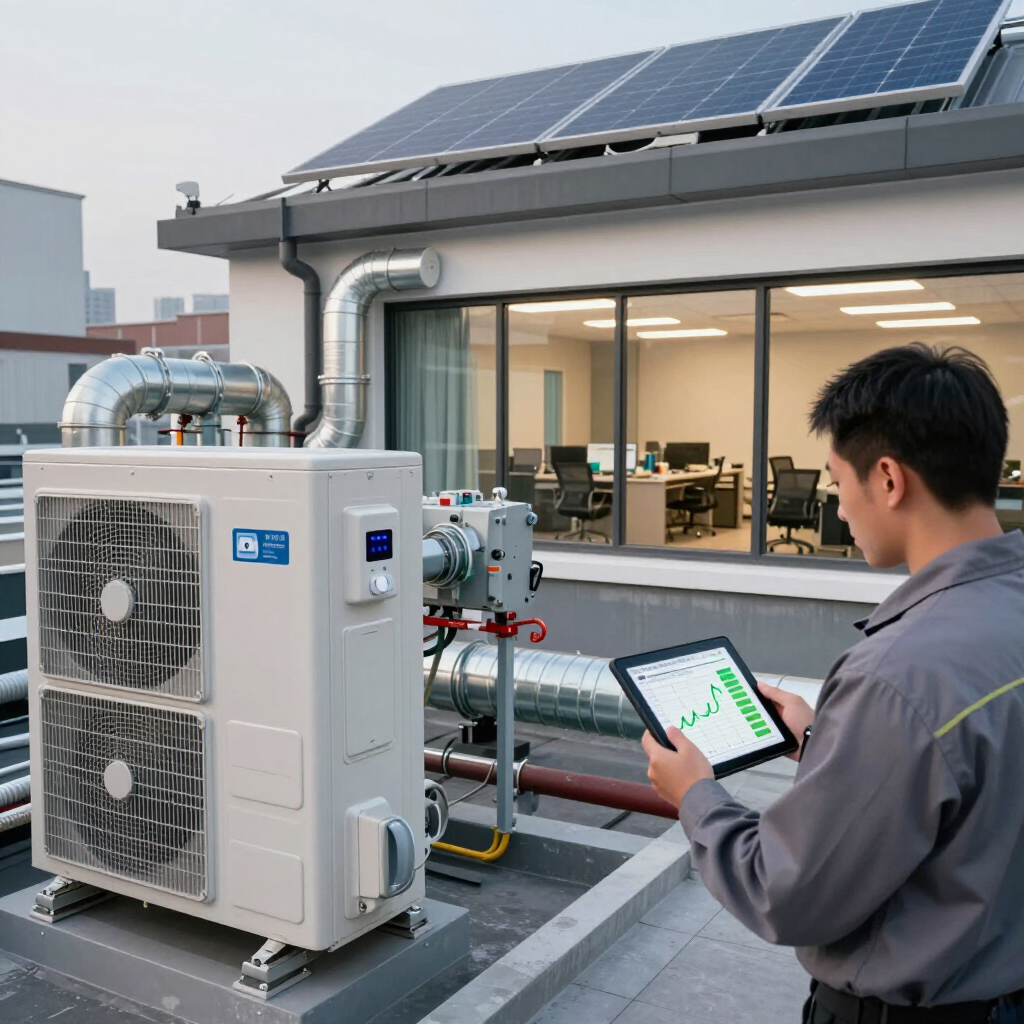
Facility managers receive real-time data and alerts from BAS dashboards. This allows proactive maintenance, better decision-making, and performance benchmarking. For example, if a rooftop HVAC unit in St. Paul begins consuming more energy than normal, BAS alerts staff before the issue becomes a costly breakdown.
4. Extended Equipment Lifespan
Running equipment at optimal levels reduces strain. BAS prevents overuse, schedules maintenance more effectively, and reduces premature equipment failure. For high-cost assets like chillers and boilers, this can extend service life by years.
5. Compliance and Sustainability
In cities like Minneapolis, commercial buildings are required to benchmark energy use. BAS makes compliance simpler by automatically collecting and reporting the necessary data. Additionally, BAS supports ESG and sustainability initiatives, helping businesses pursue certifications such as ENERGY STAR or LEED.
Types of Facilities That Benefit from BAS
Building automation systems are versatile and adaptable across a variety of industries. Minnesota facilities that can benefit include:
- Office Buildings: Optimizing lighting and HVAC for large, variable occupancy.
- Retail Centers: Coordinating lighting, signage, and HVAC across multiple tenants.
- Hospitality Venues: Improving guest comfort while lowering operating costs.
- Manufacturing Plants: Managing high-energy equipment and ensuring reliable air quality.
- Healthcare Facilities: Maintaining strict temperature and air standards.
- Schools and Universities: Balancing efficiency with student comfort.
- Restaurants: Managing HVAC and refrigeration, two of the highest energy uses.
Each sector has unique demands, but BAS technology can be customized to match industry-specific challenges.
The BAS Implementation Process
Partnering with a professional energy consultant ensures that BAS is designed and installed to deliver maximum value. At Eco Energy Solutions MN LLC, we follow a streamlined process:
- Assessment and Planning – Reviewing existing building systems, utility usage, and business goals.
- System Design – Selecting the appropriate BAS platform and tailoring controls to your facility’s needs.
- Integration and Installation – Connecting HVAC, lighting, water, and other systems into the BAS platform.
- Staff Training – Teaching facility staff how to use BAS dashboards and adjust settings.
- Ongoing Monitoring – Providing continuous support, performance tracking, and optimization.
This approach ensures businesses not only install BAS but also maximize the system’s benefits year after year.
Rebates and Incentives for BAS in Minnesota
Several Minnesota utilities, including Xcel Energy, CenterPoint Energy, and Minnesota Energy Resources, offer incentives for automation and control upgrades. Rebates may include:
- HVAC controls and programmable thermostats
- Demand-controlled ventilation systems
- Lighting controls, occupancy sensors, and scheduling systems
- Customized performance rebates for advanced automation
For example, Xcel Energy provides incentives for advanced building controls that help shift load away from peak demand periods. Learn more at Xcel Energy Business Rebates – https://co.my.xcelenergy.com/s/business.
FAQs About Building Automation Systems in Minnesota
Q1: How much can BAS reduce energy costs?
Most facilities see 20–30 percent savings, though older buildings with outdated systems can achieve even higher reductions.
Q2: Is BAS only for large commercial buildings?
No. While BAS is common in large facilities, small and mid-sized businesses also see measurable benefits from scaled solutions.
Q3: Can BAS integrate with existing systems?
Yes. Modern BAS platforms are designed for interoperability and can connect with existing HVAC, lighting, and electrical systems.
Q4: What is the ROI timeline for BAS?
Most businesses achieve payback within 2–4 years, depending on building size, energy use, and available incentives.
Q5: Will BAS require ongoing management?
Yes. While BAS automates many tasks, ongoing monitoring ensures optimal performance and identifies areas for improvement. Many businesses partner with consultants for long-term system optimization.
Why Work With Eco Energy Solutions MN LLC
At Eco Energy Solutions MN LLC, we help Minnesota businesses take full advantage of building automation technology. Our expertise includes:
- Designing BAS solutions tailored to your facility
- Integrating systems without disrupting operations
- Helping secure rebates and utility incentives
- Providing ongoing monitoring and support to ensure results
Learn more about our services here: [Utility Management Services – https://ecoenergysolutionsmn.com/services/utility-management-services/]
Take the Next Step
If you’re ready to reduce energy costs, improve comfort, and extend the life of your building systems, consider implementing a building automation system in Minnesota.
Call Eco Energy Solutions MN LLC today to schedule a consultation, or request a quote online at https://ecoenergysolutionsmn.com/contact/.
We proudly serve businesses in Minneapolis, St. Paul, New Hope, and surrounding communities across Minnesota.
Recent Posts