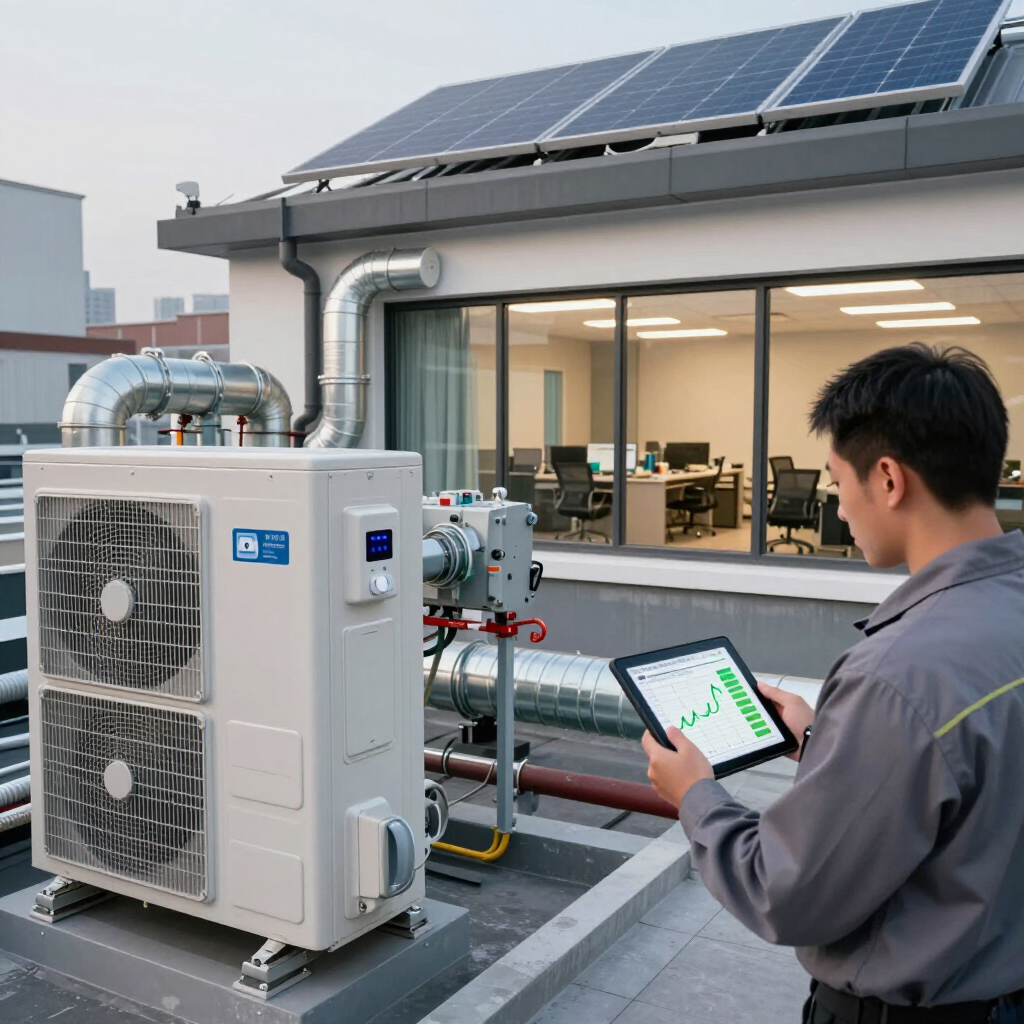
Commercial Energy Audit Preparation Tips for 2026

As we enter a new era of energy accountability and rising utility costs, commercial property owners across Minnesota are increasingly turning to energy audits to evaluate performance, reduce waste, and prioritize upgrades. Whether you're managing an office building in Minneapolis, a school in St. Cloud, or a restaurant group across the Twin Cities, a commercial energy audit is a foundational step toward smarter energy management.
But to get the most out of an audit, preparation is key. A thorough and successful audit starts with access to the right data, a clear understanding of building operations, and defined objectives. Without preparation, audits can fall short—missing savings opportunities or resulting in vague recommendations.
This article outlines what a commercial energy audit involves, what you should do to prepare in 2026, and how to make sure your facility benefits fully from the audit process.
What Is a Commercial Energy Audit?
A commercial energy audit is a professional evaluation of a building’s energy and utility use. It examines how energy flows through your facility—how it’s consumed, where it’s wasted, and where performance can be improved.
Key components of an energy audit include:
- Analysis of historical utility bills
- Inspection of lighting, HVAC, insulation, and equipment
- Occupancy and usage patterns
- Identification of operational inefficiencies
- Recommendations for cost-saving upgrades
- ROI analysis for suggested improvements
The goal is to produce a data-driven action plan that helps you lower operating costs, improve comfort and reliability, and reduce your carbon footprint.
Why 2026 Is the Right Time for an Audit
With inflation, rate hikes, and increased regulatory pressure, the cost of inaction is rising for building owners. Conducting a commercial energy audit in 2026 is especially timely for several reasons:
- New local and state energy benchmarking rules may apply, especially in cities like Minneapolis.
- Rebates and incentive programs are evolving—new funds may be available for audits and retrofits.
- Post-pandemic operational shifts mean buildings are being used differently than before. Audits help reset your efficiency strategy.
- Sustainability and ESG goals are becoming standard for investors and tenants. Audits support reporting and progress tracking.
- Energy prices remain volatile, and audits help you regain control of unpredictable costs.
How to Prepare for an Energy Audit
Proper preparation ensures your audit is efficient, accurate, and actionable. Here’s what to do before your audit begins:
1. Gather Historical Utility Data
Auditors need access to at least 12 months—ideally 24 to 36 months—of utility bills. Include:
- Electricity, gas, and water usage
- Demand charges and peak usage info
- Rate plan details from each utility
- Any existing submetering or solar generation data
Download billing histories from your utility providers or energy management software.
2. Identify Key Stakeholders
Designate a point of contact who understands your building’s systems and schedules. This might include:
- Facility managers
- Building engineers
- Property managers
- Operations directors
Having the right people involved ensures accurate information during site visits and interviews.
3. Define Your Goals
Make the audit more impactful by setting clear priorities. Examples:
- Lowering electric costs by 20%
- Identifying upgrade needs before lease renewals
- Preparing for an ENERGY STAR rating
- Determining HVAC replacement timing
- Supporting sustainability reporting
If your goal is vague—like “reduce costs”—the auditor may not tailor recommendations for real business needs.
4. Collect Building Information
Auditors will want access to:
- Building floor plans and square footage
- Equipment lists and maintenance records
- Operating hours by area or tenant
- Occupancy schedules
- Past retrofit projects or changes
This context helps them understand what’s normal for your building—and what’s not.
5. Communicate with Tenants or Staff
If multiple tenants occupy your building, give them notice that an audit is scheduled. This helps with:
- Scheduling access to leased spaces
- Collecting tenant-level energy usage (if metered)
- Reducing confusion about site visits or inspections
In schools, hospitals, or offices, communicate with internal departments to ensure cooperation during walkthroughs.
6. Make the Building Accessible
Auditors will typically tour the building’s:
- Mechanical rooms
- Lighting systems and controls
- Rooftop units
- Basements or crawlspaces
- Kitchens, server rooms, or energy-intensive spaces
Make sure keys or access codes are available and staff are ready to escort or assist if needed.
What Happens During the Audit?
Once the preparation is complete, the audit generally follows a step-by-step process:
- Kickoff Meeting
The auditor reviews your goals, building overview, and utility history. - Site Assessment
A walkthrough is conducted to examine systems, controls, and potential problem areas. - Data Analysis
The auditor models your building’s energy profile, identifies trends, and pinpoints inefficiencies. - Reporting and Recommendations
A full report is delivered outlining potential improvements, estimated savings, cost, and payback period. - Action Planning
Some auditors assist in prioritizing improvements, applying for rebates, or connecting with contractors.
Levels of Commercial Energy Audits
The American Society of Heating, Refrigerating and Air-Conditioning Engineers (ASHRAE) defines three levels of commercial energy audits:
- Level 1 – Walkthrough Analysis
A basic audit that identifies major issues and low-hanging fruit. Ideal for small facilities or preliminary planning. - Level 2 – Energy Survey and Analysis
A deeper look at usage patterns, detailed ROI calculations, and upgrade recommendations. Most businesses choose this level. - Level 3 – Investment-Grade Audit
Comprehensive audit with engineering analysis and financial modeling. Required for performance contracts and major capital planning.
Eco Energy Solutions MN offers Level 1 and Level 2 audits, with escalation options for larger or more complex portfolios.
Common Savings Opportunities Uncovered
Audits often reveal efficiency improvements in:
- Lighting systems – Switching to LEDs or adding motion sensors
- HVAC controls – Upgrading thermostats or optimizing schedules
- Envelope performance – Adding insulation or sealing air leaks
- Equipment scheduling – Reducing runtime during off-hours
- Submetering opportunities – Improving visibility into tenant or system-level usage
- Peak demand reduction – Adjusting load schedules or staggering equipment startup
- Water conservation – Installing low-flow fixtures or leak detection systems
Many of these upgrades qualify for utility rebates in Minnesota and offer 1–5 year payback periods.
What to Do After the Audit
Once your audit is complete, don’t let the report collect dust. Take these next steps:
- Review recommendations with your team
- Apply for available rebates or incentives
- Prioritize upgrades with the fastest payback
- Implement monitoring to track improvements
- Plan for longer-term investments as budgets allow
- Schedule re-audits every 3–5 years or after major operational changes
Frequently Asked Questions
How long does a commercial energy audit take?
Most Level 1 or 2 audits take 2–4 weeks from kickoff to final report, depending on building size and data access.
Will the audit disrupt tenants or business operations?
No. Site visits are minimally invasive and can be scheduled during non-peak hours.
Can I get rebates for doing an audit?
Yes. Some Minnesota utilities offer cost-sharing or rebates for both the audit and recommended upgrades.
What’s the typical ROI from audit-driven upgrades?
Savings range from 10% to 30% of annual utility costs, depending on the building type, systems, and improvements made.
Make 2026 the Year You Get Ahead on Energy Costs
A commercial energy audit is one of the smartest investments you can make in your building’s performance, budget, and sustainability goals. But the value of an audit depends on your readiness and your ability to act on its findings.
Eco Energy Solutions MN LLC helps Minnesota businesses—from schools and offices to warehouses and restaurants—prepare for and complete detailed energy audits that result in real savings. Our team guides you from data collection through implementation and rebate recovery.
To schedule your 2026 audit or get a free consultation, visit:
https://www.minnesotaecoenergysolutions.com/contact
Recent Posts