How Energy Monitoring Systems Help MN Businesses Save Thousands
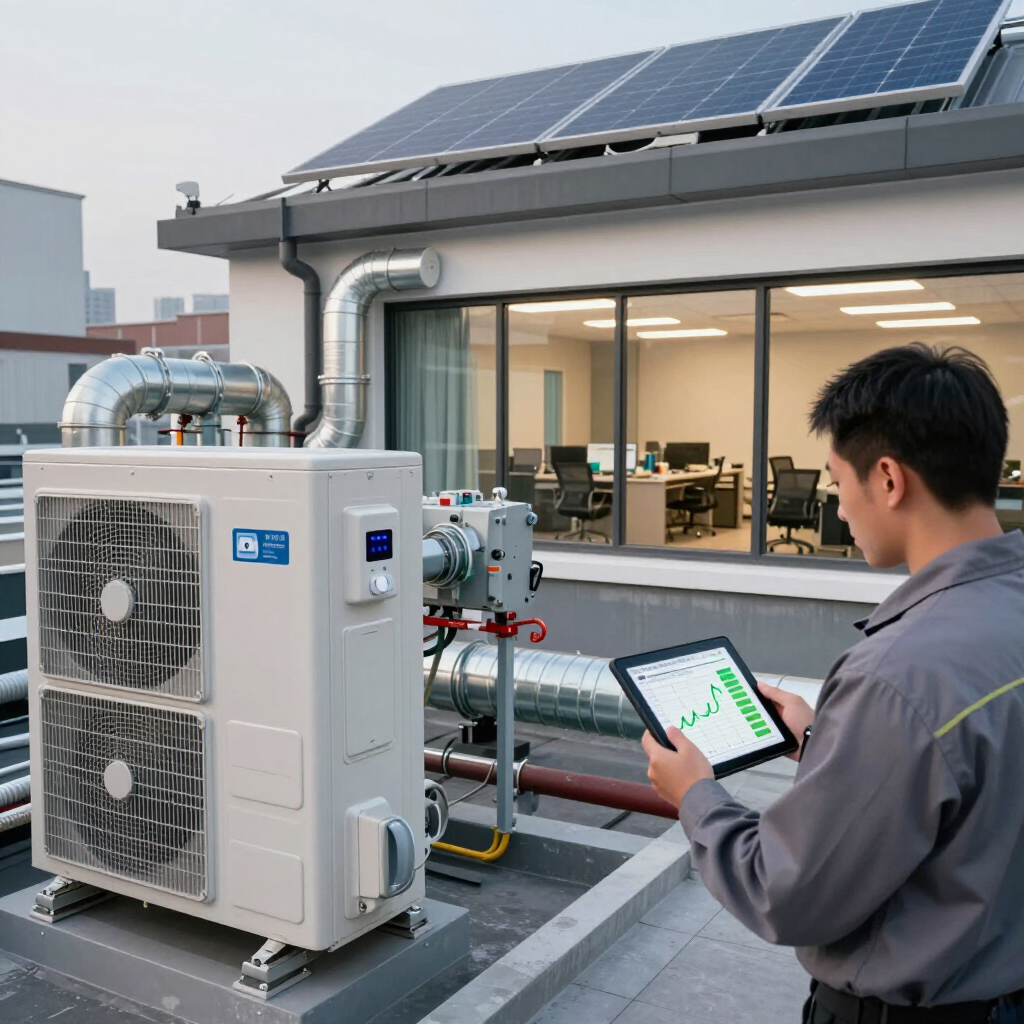
Energy costs are one of the most unpredictable and burdensome expenses for commercial property owners and businesses across Minnesota. Whether operating a restaurant in St. Paul, managing a multi-tenant office in New Hope, or overseeing retail locations throughout the Twin Cities, the pressure to reduce utility bills and improve building performance is only growing. Fortunately, energy monitoring systems offer a data-driven way to take control of consumption, identify inefficiencies, and save thousands annually on utility costs.
This article breaks down what energy monitoring systems are, how they work, and why they’ve become an essential tool for commercial energy management in Minnesota. We’ll also explore use cases for different building types and the tangible savings they deliver over time.
What Is an Energy Monitoring System?
An energy monitoring system is a technology platform that collects, analyzes, and displays real-time and historical data about a building's energy use. These systems often integrate with existing meters, sub-meters, HVAC equipment, lighting, and Building Automation Systems (BAS) to provide a centralized view of electricity, gas, and water consumption.
Advanced monitoring platforms may offer:
- Real-time energy usage dashboards
- Alerts for unusual consumption spikes
- Benchmarking tools
- Equipment-level monitoring
- Predictive analytics and load forecasting
- Utility bill tracking and cost analysis
By making energy data visible and actionable, businesses can proactively reduce waste, optimize operations, and avoid unnecessary costs.
Why Energy Monitoring Matters for Minnesota Businesses
Minnesota’s energy prices are relatively stable compared to national averages, but the reality for businesses is that wasted energy often hides in plain sight. Aging infrastructure, outdated HVAC systems, and operational inconsistencies can cause significant utility overages—often without clear indicators until the bill arrives.
Extreme Weather Variability
From frigid winters in Duluth to hot, humid summers in Rochester, HVAC systems in Minnesota are under constant pressure. Monitoring tools help facilities adjust in real time for efficiency and occupant comfort.
Incentive-Driven Programs
Many utility providers in Minnesota and Wisconsin offer demand response and efficiency rebates. Energy monitoring makes businesses eligible for participation and proves compliance.
Carbon Reduction Goals
Minnesota’s growing push toward sustainability and energy efficiency standards—particularly in Minneapolis and St. Paul—means better performance is not just a cost-saving move, but often a compliance necessity.
Facility Diversity
Whether managing a manufacturing plant, school, or mixed-use property, every building type has unique energy behavior. Monitoring allows tailored solutions based on real consumption data.
Key Benefits of Energy Monitoring Systems
Energy monitoring systems offer more than just visibility. They help businesses identify and act on specific savings opportunities, such as:
Detecting Equipment Malfunctions Early
A sudden spike in energy use could indicate that an HVAC unit is short cycling or a refrigeration system is failing. With real-time alerts, facility managers can fix problems before they result in massive energy waste or costly repairs.
Reducing Peak Demand Charges
Many utility providers charge commercial clients based on peak demand. By monitoring load patterns, businesses can strategically stagger equipment usage or automate systems to avoid peak-time penalties.
Optimizing HVAC and Lighting Schedules
Monitoring tools often integrate with Building Automation Systems to provide insight into daily usage patterns. Adjusting HVAC start times or dimming lights during off-hours can lead to immediate utility savings.
Supporting Sustainability and ESG Reporting
For businesses pursuing LEED certification, ESG reporting, or sustainability goals, energy monitoring provides verifiable data needed for tracking carbon reductions and environmental compliance.
Verifying ROI from Upgrades
Have you recently installed LED lighting or upgraded insulation? Monitoring systems help verify the effectiveness of these investments over time—ensuring promised energy savings are actually delivered.
Use Cases by Industry
Restaurants and Hospitality
In high-consumption sectors like restaurants, monitoring systems help track refrigeration, kitchen equipment, and HVAC usage—all major contributors to energy bills. Real-time insights help reduce waste during off-hours or unexpected surges.
Office Buildings and Mixed-Use Properties
Submetering combined with monitoring allows owners to track tenant energy usage, recover costs, and identify shared system inefficiencies. This is especially valuable for property managers in St. Cloud or Bloomington, balancing multiple tenants.
Manufacturing and Industrial
In facilities with large machinery and production equipment, energy monitoring detects unusual usage spikes, helps with load shedding strategies, and provides data for process optimization.
Multi-Family and Commercial Real Estate
Energy monitoring paired with RUBS (Ratio Utility Billing Systems) enables more equitable utility billing and transparency for tenants—improving satisfaction while lowering owner expenses.
Choosing the Right Energy Monitoring System
When evaluating platforms, Minnesota businesses should look for systems that are:
- Scalable to multiple buildings and meters
- Compatible with BAS or HVAC automation systems
- Cloud-based for remote access and mobile alerts
- Capable of integrating with local utility APIs
- Supported by detailed reporting and export functions
Some systems also offer AI-powered forecasting or customizable alerts that allow for preemptive action.
Implementation Tips for MN Businesses
Implementing an energy monitoring system doesn't require a total building overhaul. In fact, many systems are modular and can start with a few key meters or pieces of equipment. Here’s how to start:
Conduct a Utility Audit
Identify which systems consume the most energy. Partner with a company that specializes in commercial energy audits, like
[Eco Energy Solutions MN –
https://www.minnesotaecoenergysolutions.com/commercial-energy-audit]
Define Goals
Are you looking to lower demand charges, improve sustainability metrics, or reduce waste during unoccupied hours? The more specific your goals, the better the monitoring strategy.
Start with High-Impact Areas
For many buildings, HVAC, lighting, and refrigeration offer the fastest return on monitoring investment.
Train Staff and Assign Roles
Monitoring is only useful if someone reviews the data regularly and acts on it. Assign internal responsibility or partner with an energy management firm to oversee insights.
Frequently Asked Questions
What’s the difference between submetering and energy monitoring?
Submetering tracks consumption by area or tenant, while monitoring provides ongoing analysis of how and when energy is used. The two can work together.
How much can energy monitoring save a business annually?
Savings vary, but businesses can reduce utility costs by 5–25% depending on building size, equipment, and responsiveness to insights.
Is energy monitoring required in Minnesota?
In certain jurisdictions like Minneapolis, benchmarking laws apply to large commercial buildings. Monitoring helps meet these requirements and improve energy scores.
Can smaller businesses benefit from energy monitoring?
Yes. Even small restaurants or retail spaces can uncover significant savings, especially with affordable cloud-based solutions.
Next Steps: Schedule an Energy Monitoring Assessment
Energy monitoring is one of the most cost-effective ways to reduce overhead and improve building performance in today’s energy-conscious marketplace. If your business is located in Minneapolis, St. Paul, Rochester, or anywhere in Greater Minnesota, Eco Energy Solutions MN LLC can help you implement a scalable, customized monitoring strategy.
From energy audits to system installation and support, we help Minnesota businesses gain control over utility usage and save thousands annually.
Call us today or request a free consultation at
[https://www.minnesotaecoenergysolutions.com/contact]
to learn how your facility can benefit from intelligent energy monitoring.
Recent Posts