Utility Optimization Strategies

Commercial office buildings across Minnesota—from downtown Minneapolis high-rises to mid-sized suburban complexes in places like St. Cloud and Rochester—consume significant energy every day. Heating, cooling, lighting, and equipment use contribute to high utility bills that can easily erode profit margins and tenant satisfaction.
With rising energy costs and growing pressure to improve building performance, optimizing utility usage is no longer optional—it’s essential. Utility optimization goes beyond cutting consumption; it’s about intelligently managing how and when energy is used to create lasting financial and operational value.
This article outlines the most effective utility optimization strategies for Minnesota office buildings and how to implement them for maximum impact.
Why Utility Optimization Matters for Minnesota Offices
Minnesota’s diverse climate and aging building stock make utility management particularly challenging. Many office properties operate with outdated HVAC equipment, inefficient lighting, or lack smart controls, leading to wasted energy and unnecessary costs.
Utility optimization strategies can help address:
- Seasonal energy waste from heating and cooling
- High peak demand charges
- Lack of tenant-level usage visibility
- Missed rebate opportunities
- Poor ENERGY STAR benchmarking scores
- Regulatory compliance with city or state energy mandates
Implementing a utility optimization plan not only reduces overhead but also supports ESG goals, attracts quality tenants, and extends the life of your building systems.
Conduct a Comprehensive Energy Audit
The first step in optimizing utility use is understanding your current consumption patterns. A commercial energy audit provides a detailed assessment of where and how energy is being used—and wasted—in your office building.
A typical audit includes:
- Utility bill analysis
- Equipment performance evaluation
- Lighting and HVAC inspection
- Building envelope assessment
- Identification of upgrade opportunities
- ROI calculations for each potential improvement
Professional audits help you prioritize action steps based on cost savings and payback period. Learn more about commercial audits from Eco Energy Solutions MN:
Commercial Energy Audit –
https://www.minnesotaecoenergysolutions.com/commercial-energy-audit
Upgrade Lighting to High-Efficiency LED Fixtures
Lighting often accounts for 20%–30% of electricity use in office buildings. Replacing fluorescent or halogen fixtures with LEDs can cut lighting energy use by up to 70%.
Benefits of LED lighting upgrades include:
- Longer lifespan and lower maintenance
- Dimmable controls and daylight harvesting
- Utility rebates from providers like Xcel Energy
- Immediate reduction in electric load
Adding motion sensors and zone-based lighting control further enhances efficiency, especially in hallways, bathrooms, and conference rooms.
Install or Upgrade Your Building Automation System (BAS)
A Building Automation System enables centralized control of HVAC, lighting, ventilation, and other systems. Modern BAS platforms use smart sensors, occupancy detection, and scheduling logic to ensure systems operate only when needed.
Key BAS features for utility optimization:
- Time-of-day scheduling to reduce after-hours energy waste
- Seasonal temperature setpoint adjustments
- Demand response integration for peak load control
- Remote monitoring and mobile alerts
- Integration with energy dashboards for real-time usage data
Even smaller office buildings can benefit from simplified automation using programmable thermostats and HVAC zoning.
Optimize HVAC Operation and Maintenance
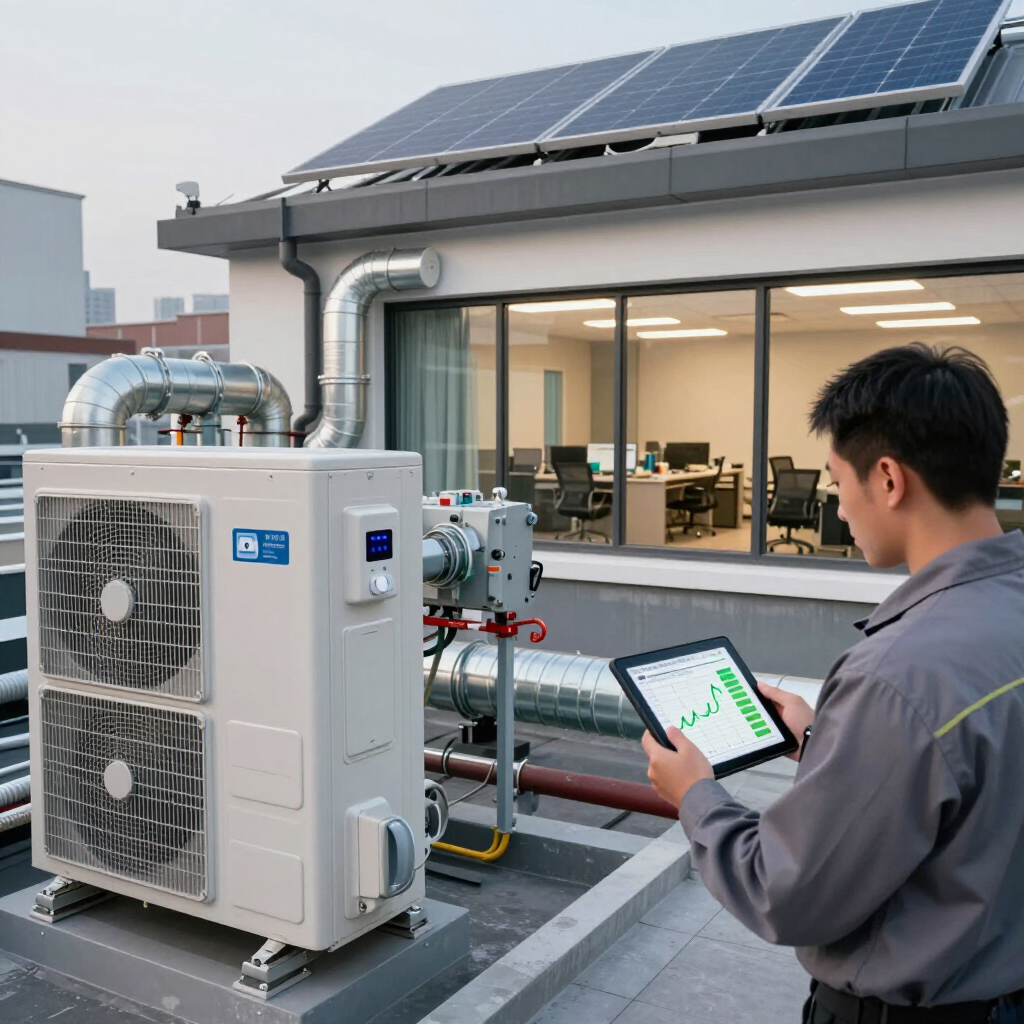
In Minnesota’s extreme climate, HVAC systems are the largest drivers of energy use. Poorly maintained or inefficient HVAC equipment not only wastes energy but also reduces indoor comfort.
HVAC optimization strategies include:
- Regular maintenance of filters, coils, and ductwork
- Installing Variable Frequency Drives (VFDs) on fans and pumps
- Implementing demand-controlled ventilation (DCV)
- Right-sizing equipment to actual building load
- Retrofitting outdated systems with high-efficiency models
Even adjusting thermostat deadbands (the temperature range where no heating or cooling occurs) by just a few degrees can significantly reduce runtime and cost.
Submetering to Track and Manage Usage
Submetering allows building owners to monitor energy use by floor, tenant, or system (e.g., lighting vs. HVAC). This data helps identify high-usage zones, hold tenants accountable, and enable more accurate billing.
For multi-tenant office properties, submetering combined with RUBS (Ratio Utility Billing Systems) is especially valuable. It improves transparency and incentivizes occupants to conserve energy, which further reduces building-wide utility costs.
Implement Energy Monitoring and Analytics
Energy monitoring systems provide real-time visibility into consumption, allowing building managers to track usage trends, detect anomalies, and benchmark performance.
Common features of energy monitoring tools:
- Live usage dashboards
- Custom alerts for abnormal consumption
- Equipment-level monitoring
- Load profiling and forecasting
- Historical comparisons for measuring progress
Analytics platforms help you pinpoint exactly where waste is occurring and assess the ROI of completed improvements. Data can also support applications for energy rebates or sustainability certifications.
Reduce Peak Demand Charges
Peak demand charges—fees based on the highest level of energy used during a billing cycle—can account for a large portion of a commercial energy bill.
Strategies to reduce demand charges:
- Stagger equipment startup to avoid simultaneous high loads
- Use thermal energy storage systems (e.g., pre-cooling during off-peak hours)
- Integrate BAS scheduling with utility rate structures
- Participate in demand response programs offered by local utilities
Even a slight reduction in peak demand can yield significant monthly savings.
Maintain Water Efficiency and Metering
Water use contributes to both utility costs and environmental impact. Office buildings can optimize water use by:
- Installing low-flow fixtures
- Monitoring usage with submeters
- Detecting leaks with smart sensors
- Irrigating landscaping during off-peak hours
Water efficiency is especially important in mixed-use or large campus settings where small leaks or overuse can go unnoticed and unaddressed.
Engage Occupants in Energy Efficiency
No optimization plan is complete without engaging the people who occupy the building. Employees and tenants have a direct impact on energy use through lighting, HVAC preferences, and equipment habits.
Ways to encourage efficient behavior:
- Post signage or dashboards showing energy progress
- Offer green certifications or incentives for low-usage offices
- Educate tenants on how they can reduce energy during peak hours
- Include utility use language in lease agreements
Tenant engagement not only reduces energy waste but also supports corporate sustainability and improves retention.
Frequently Asked Questions
How much can utility optimization reduce costs in an office building?
Savings typically range from 10% to 30%, depending on the building’s size, systems, and starting efficiency level.
Are utility rebates available for optimization upgrades in Minnesota?
Yes. Programs from Xcel Energy and other utilities provide rebates for lighting, HVAC, BAS, and energy monitoring improvements.
Do I need a BAS to optimize utility usage?
Not necessarily. Even without full BAS, strategies like LED lighting, programmable thermostats, and submetering can lead to meaningful savings.
How often should I re-evaluate my utility usage?
You should perform a full energy review annually and monitor usage monthly for anomalies or spikes.
Take Control of Your Building’s Utility Costs
If you're managing a commercial office building in Minnesota, there’s never been a better time to invest in utility optimization. From strategic HVAC upgrades and lighting retrofits to monitoring tools and tenant engagement, there are countless ways to reduce waste and lower your energy bills.
Eco Energy Solutions MN LLC specializes in helping Minnesota businesses optimize energy and utility use through tailored audits, system upgrades, and ongoing support. Whether your office is in Minneapolis, New Hope, or greater Southern Minnesota, our team can help you implement the right solutions to reduce costs and boost efficiency.
Schedule a free consultation today to see how much you could save.
https://www.minnesotaecoenergysolutions.com/contact
Recent Posts