What to Expect Before, During, and After Your Energy Audit
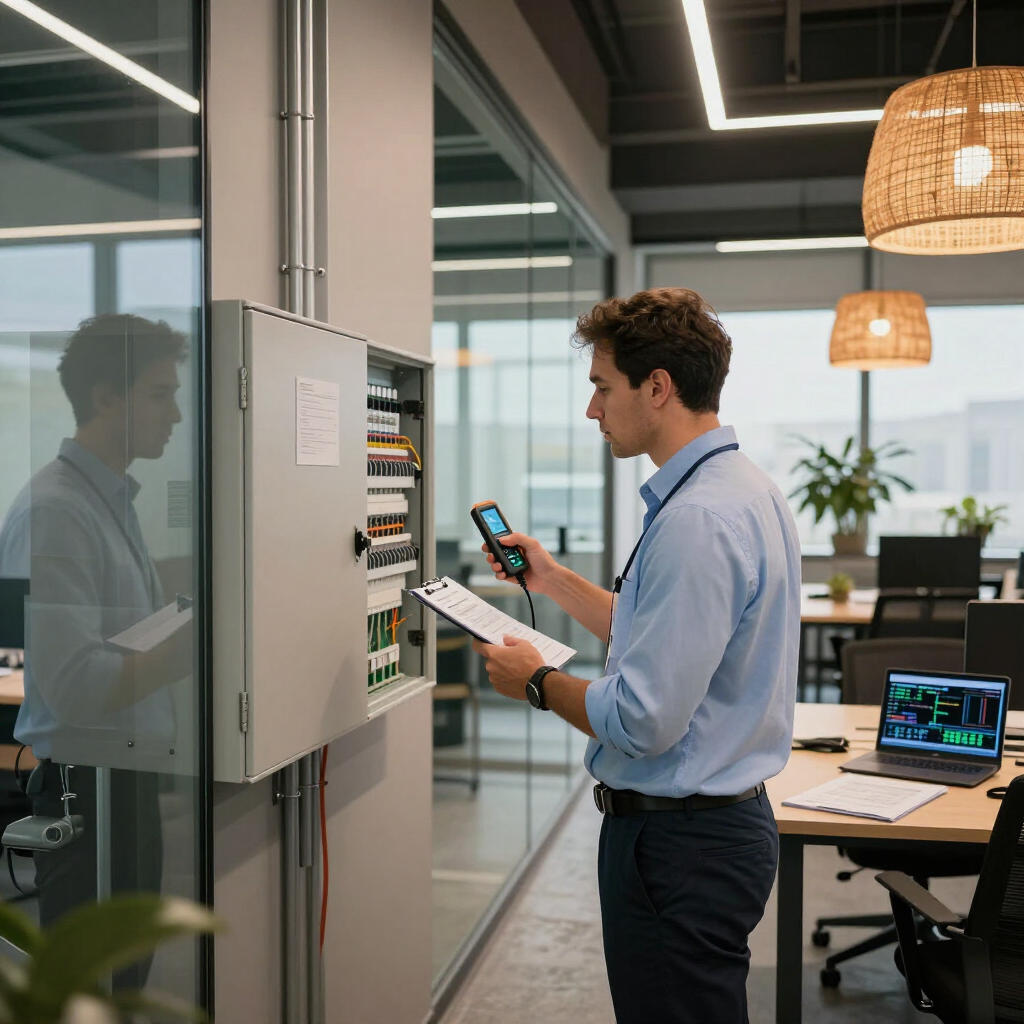
A commercial energy audit is one of the most effective ways to identify opportunities to reduce utility costs, improve building performance, and make informed decisions about future energy investments. Yet many building owners and facility managers aren't sure what to expect during the process.
At Eco Energy Solutions MN LLC, we perform commercial energy audits for businesses, manufacturers, schools, government facilities, and commercial property owners throughout New Hope, Minneapolis, St. Paul, and communities across Minnesota. While every building is unique, most audits follow a structured process that evaluates how your facility consumes energy and identifies practical ways to improve efficiency.
Why Schedule a Commercial Energy Audit?
Commercial buildings often waste energy without obvious signs. Aging HVAC equipment, outdated lighting, inefficient operating schedules, and hidden air leaks can increase utility costs while reducing occupant comfort.
A professional energy audit helps you:
- Lower operating expenses
- Improve HVAC and lighting performance
- Identify maintenance issues early
- Support capital planning
- Qualify for available utility incentives
- Improve overall building efficiency
For many Minnesota businesses, an audit is the first step toward reducing long-term operating costs.
Step 1: Initial Consultation
The process begins with a discussion about your building, operational goals, and energy concerns.
Your consultant will gather information such as:
- Building size and occupancy
- Operating hours
- Recent utility costs
- Planned renovations or equipment upgrades
- Previous energy improvements
This information helps determine the appropriate scope of the audit.
Step 2: Utility Bill Review
Historical utility bills provide valuable insight into how your facility consumes energy throughout the year.
The review identifies:
- Seasonal energy trends
- Demand charges
- Unexpected increases in consumption
- Opportunities for cost savings
Comparing energy usage over time establishes a baseline for future improvements.
Step 3: On-Site Building Inspection
Next, the auditor performs a detailed walkthrough of the facility.
Key systems evaluated include:
- HVAC equipment
- Lighting systems
- Building envelope
- Insulation
- Windows and doors
- Water heating systems
- Building automation controls
The goal is to identify inefficiencies that may not be visible through utility data alone.
Step 4: Equipment and System Evaluation
After the walkthrough, major building systems are analyzed to determine how efficiently they operate.
Common findings include:
- Aging rooftop HVAC units
- Poor temperature control
- Equipment running after business hours
- Inefficient lighting layouts
- Air leakage around doors and loading docks
These issues often contribute to unnecessary energy consumption and higher operating costs.
Step 5: Energy Analysis and Recommendations
Once the fieldwork is complete, the collected data is analyzed to identify Energy Conservation Measures (ECMs).
Recommendations are prioritized based on:
- Estimated implementation cost
- Projected annual savings
- Expected payback period
- Ease of implementation
- Operational impact
This allows building owners to focus on projects that deliver the greatest return on investment.
Step 6: Final Audit Report
The final report summarizes the findings and provides a roadmap for improving building performance.
Depending on the audit level, the report may include:
- Current energy performance
- Identified inefficiencies
- Recommended improvements
- Estimated energy savings
- Financial analysis
- Suggested implementation priorities
This report serves as a valuable planning tool for maintenance teams, facility managers, and business owners.
Common Issues Found During Commercial Energy Audits
Many commercial facilities across Minnesota experience similar energy challenges, including:
- Inefficient HVAC systems
- Outdated lighting technologies
- Building automation settings that require adjustment
- Poor insulation and uncontrolled air leakage
- Equipment operating during unoccupied hours
- High winter heating demand
Addressing these issues can improve comfort, reduce maintenance costs, and lower utility bills.
Frequently Asked Questions
How long does a commercial energy audit take?
The length of an audit depends on the size and complexity of the building. Smaller commercial facilities may be completed in a single day, while larger or more complex properties can require additional time for data collection and analysis.
Will operations need to stop during the audit?
In most cases, no. Commercial energy audits are designed to minimize disruption, allowing normal business operations to continue while the inspection is performed.
What happens after the audit?
You'll receive a detailed report outlining energy-saving opportunities, estimated costs, projected savings, and recommended next steps. This information helps prioritize improvements based on your budget and operational goals.
Schedule a Commercial Energy Audit in Minnesota
Reduce energy costs and improve building efficiency with a professional energy audit.
Eco Energy Solutions MN LLC provides practical energy-saving solutions for commercial properties across Minnesota.
Call (612) 388-8930 today.
Recent Posts