5 Steps to Improving Energy Efficiency in Commercial Buildings

Energy costs are one of the largest operating expenses for Minnesota businesses. Commercial buildings consume nearly 40% of total U.S. energy use, and much of that energy is wasted due to inefficiencies in heating, cooling, lighting, and water systems.
For business owners and facility managers, improving energy efficiency isn’t just about lowering utility bills—it’s about increasing property value, complying with local regulations, and demonstrating sustainability leadership.
Here are five proven steps that Minnesota businesses can take to significantly improve energy efficiency in commercial buildings.
Step 1: Conduct a Comprehensive Energy Audit
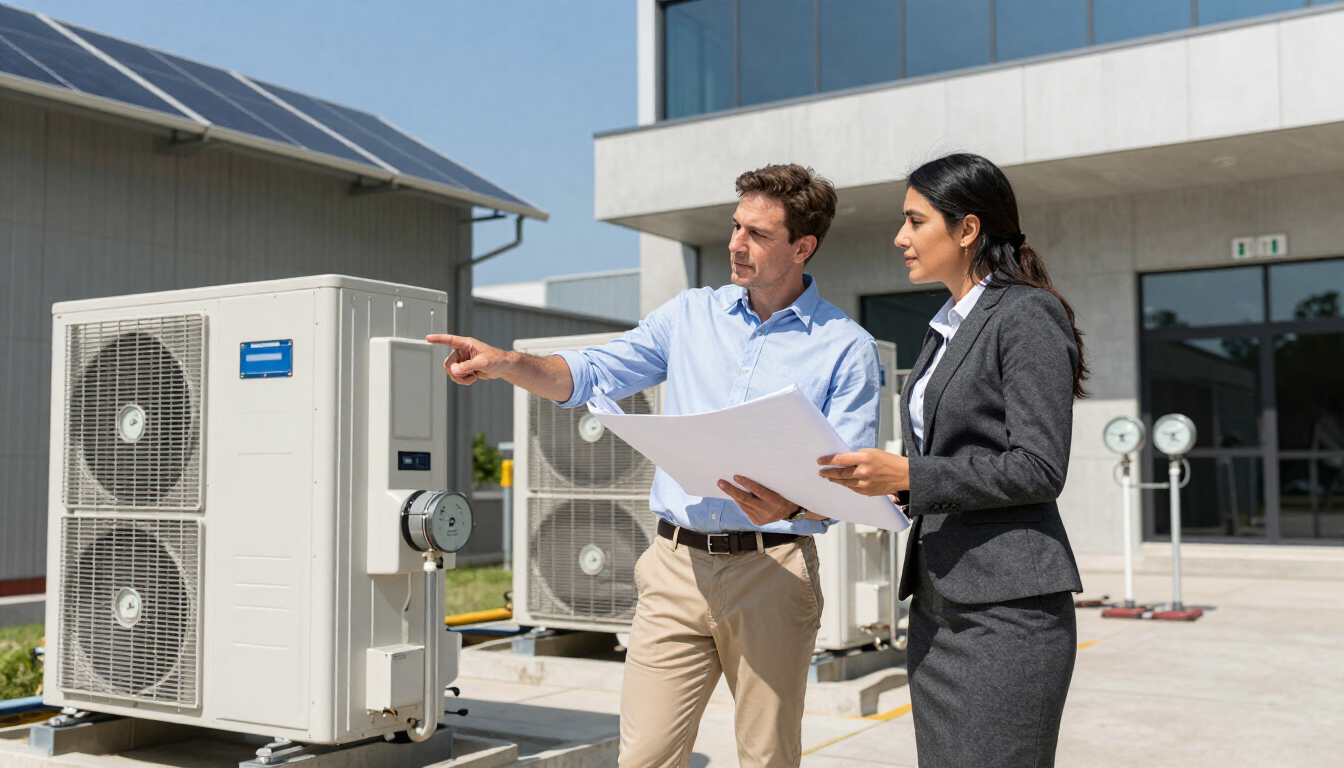
An energy audit is the foundation of any efficiency strategy. It provides a clear picture of how your building consumes energy and where improvements can be made.
Energy audits typically include:
- Review of utility bills (12–24 months)
- On-site inspection of HVAC, lighting, insulation, and water systems
- Analysis of building schedules, occupancy, and equipment performance
- Benchmarking against similar buildings
Audits are categorized into three levels:
- Level 1 – Walkthrough Audit: Identifies obvious inefficiencies at low cost.
- Level 2 – Energy Survey & Analysis: More detailed, including ROI projections for upgrades.
- Level 3 – Investment-Grade Audit: In-depth analysis with financial modeling, often used for large capital projects.
In Minneapolis and St. Paul, energy audits also support compliance with benchmarking
ordinances, making them both a financial and regulatory advantage.
Commercial Energy Audit Services – Eco Energy Solutions MN LLC
Step 2: Upgrade HVAC Systems and Controls
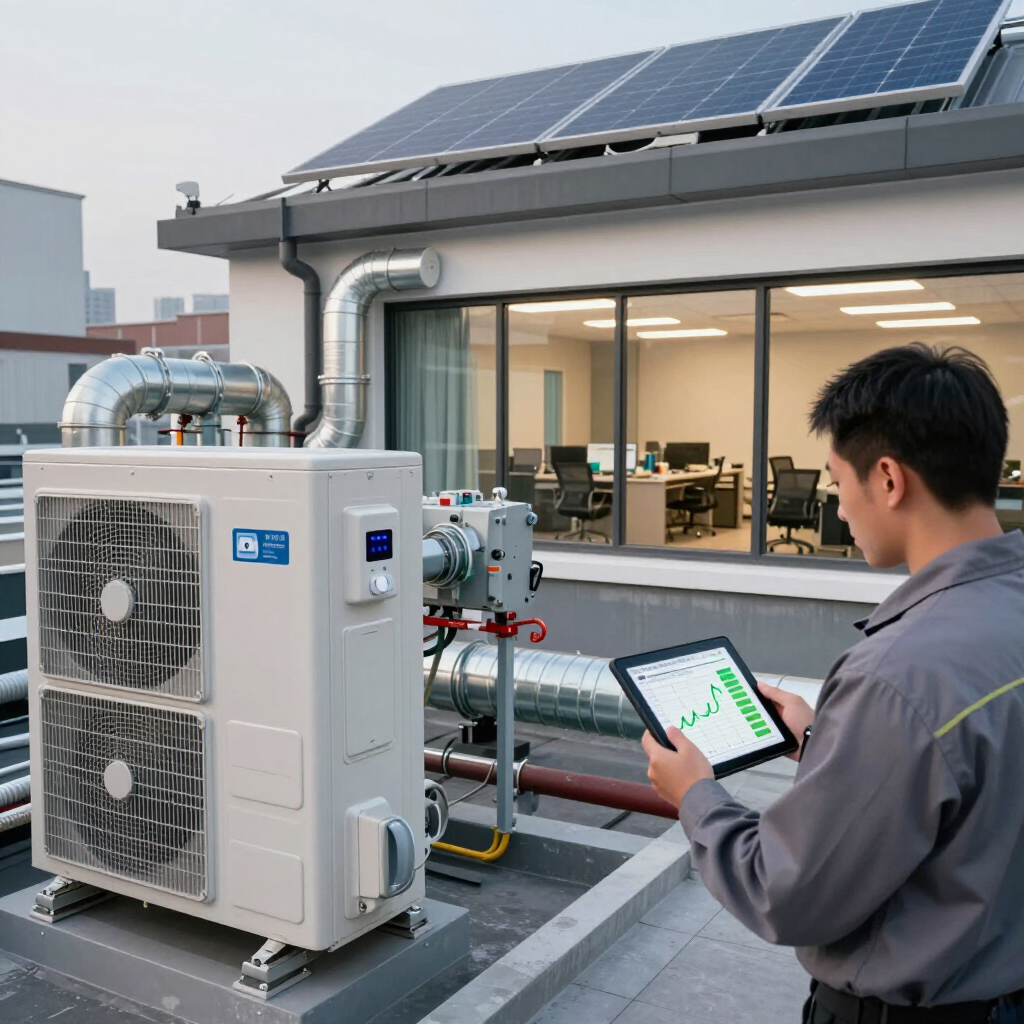
HVAC systems account for the largest share of energy use in commercial buildings—up to 40 percent. Inefficient or outdated equipment can lead to skyrocketing costs and reduced comfort.
Key improvements include:
- Smart Thermostats and BAS Integration: Automatically adjust heating and cooling based on occupancy and outdoor conditions.
- Demand-Controlled Ventilation: Adjusts airflow based on CO₂ levels and occupancy, reducing unnecessary fan operation.
- High-Efficiency Equipment: Replacing boilers, chillers, or rooftop units with ENERGY STAR–rated models.
- Preventive Maintenance: Regular tune-ups, filter changes, and calibration to prevent breakdowns.
Smart HVAC control also positions buildings to participate in demand response programs, creating additional savings during peak demand periods.
Step 3: Improve Lighting Efficiency
Lighting is one of the easiest and most cost-effective areas to improve efficiency.
Strategies include:
- LED Lighting Retrofits: LEDs use up to 75% less energy and last significantly longer than fluorescent or incandescent bulbs.
- Occupancy Sensors: Automatically turn off lights in empty rooms.
- Daylight Harvesting Systems: Adjust lighting levels based on available natural light.
- Exterior Lighting Upgrades: Replace parking lot and outdoor fixtures with efficient LEDs for safety and savings.
Minnesota utilities, including Xcel Energy, offer rebates that cover a portion of lighting retrofit costs, often resulting in quick payback periods.
Step 4: Enhance Building Envelope and Insulation
A building’s envelope—the walls, roof, windows, and insulation—plays a critical role in energy performance. Poor insulation or leaky windows force HVAC systems to work harder, wasting energy.
Improvement opportunities:
- Air Sealing: Prevent drafts and uncontrolled air leakage.
- Insulation Upgrades: Add or replace insulation in roofs, walls, and basements.
- High-Performance Windows: Install double-pane or low-E windows to reduce heat loss.
- Cool Roofs or Green Roofs: Reflect sunlight and reduce cooling demand in summer.
Improving the building envelope reduces heating and cooling loads, directly supporting HVAC resilience and lowering utility bills.
Step 5: Monitor, Benchmark, and Maintain Performance
Efficiency isn’t a one-time achievement—it requires continuous monitoring. Benchmarking tools like ENERGY STAR Portfolio Manager allow businesses to:
- Track performance year over year
- Compare energy intensity to similar buildings
- Identify new inefficiencies early
- Simplify compliance with local benchmarking ordinances
Pairing benchmarking with preventive maintenance ensures that savings are sustained long-term. Facility managers should schedule regular inspections of HVAC, lighting, and water systems to maintain peak performance.
Additional Tips for Minnesota Businesses
- Leverage Rebates and Incentives: Programs from Xcel Energy, CenterPoint Energy, and Minnesota Energy Resources can offset upgrade costs.
- Engage Occupants: Employee awareness campaigns reduce wasted energy from lighting, computers, and appliances.
- Consider Renewable Energy: On-site solar panels or purchasing renewable energy credits (RECs) support sustainability goals.
- Water Efficiency Audits: Upgrading fixtures and irrigation systems reduces water and energy use simultaneously.
FAQs About Improving Energy Efficiency
How quickly can I see results from efficiency upgrades?
Simple measures like lighting retrofits deliver savings almost immediately. Larger HVAC or building envelope projects may take 1–3 years to pay back.
Are efficiency improvements disruptive to operations?
Most upgrades can be scheduled to avoid downtime. Many projects, like lighting retrofits, are completed with minimal disruption.
What is the average ROI for energy efficiency projects in Minnesota?
Many businesses achieve 20–30 percent annual savings, with payback periods ranging from months to a few years.
Do I need to comply with benchmarking laws?
Yes, if your building meets the size thresholds in Minneapolis (50,000 sq. ft.) or St. Paul. Benchmarking is mandatory for large properties.
Can small businesses benefit from efficiency upgrades?
Absolutely. Even small offices and restaurants see meaningful reductions in costs through simple efficiency measures.
Why Work With Eco Energy Solutions MN LLC
At
Eco Energy Solutions MN LLC, we provide Minnesota businesses with a clear roadmap to reduce utility costs and improve sustainability. Our services include:
- Commercial energy audits
- HVAC and BAS optimization
- Lighting and building envelope upgrades
- Utility management and benchmarking
- Incentive and rebate guidance
- Long-term monitoring and performance tracking
We tailor strategies to meet the specific needs of your business, ensuring maximum ROI and ongoing savings.
Take the Next Step
If you’re ready to lower costs and improve building performance, start with these
five steps to energy efficiency.
Call
Eco Energy Solutions MN LLC today to schedule an energy audit, or request a quote online at
https://www.minnesotaecoenergysolutions.com/contact
We proudly serve businesses in Minneapolis, St. Paul, New Hope, and communities across Minnesota.
Recent Posts