Efficient Energy Management in Cold Climates for Minnesota Businesses
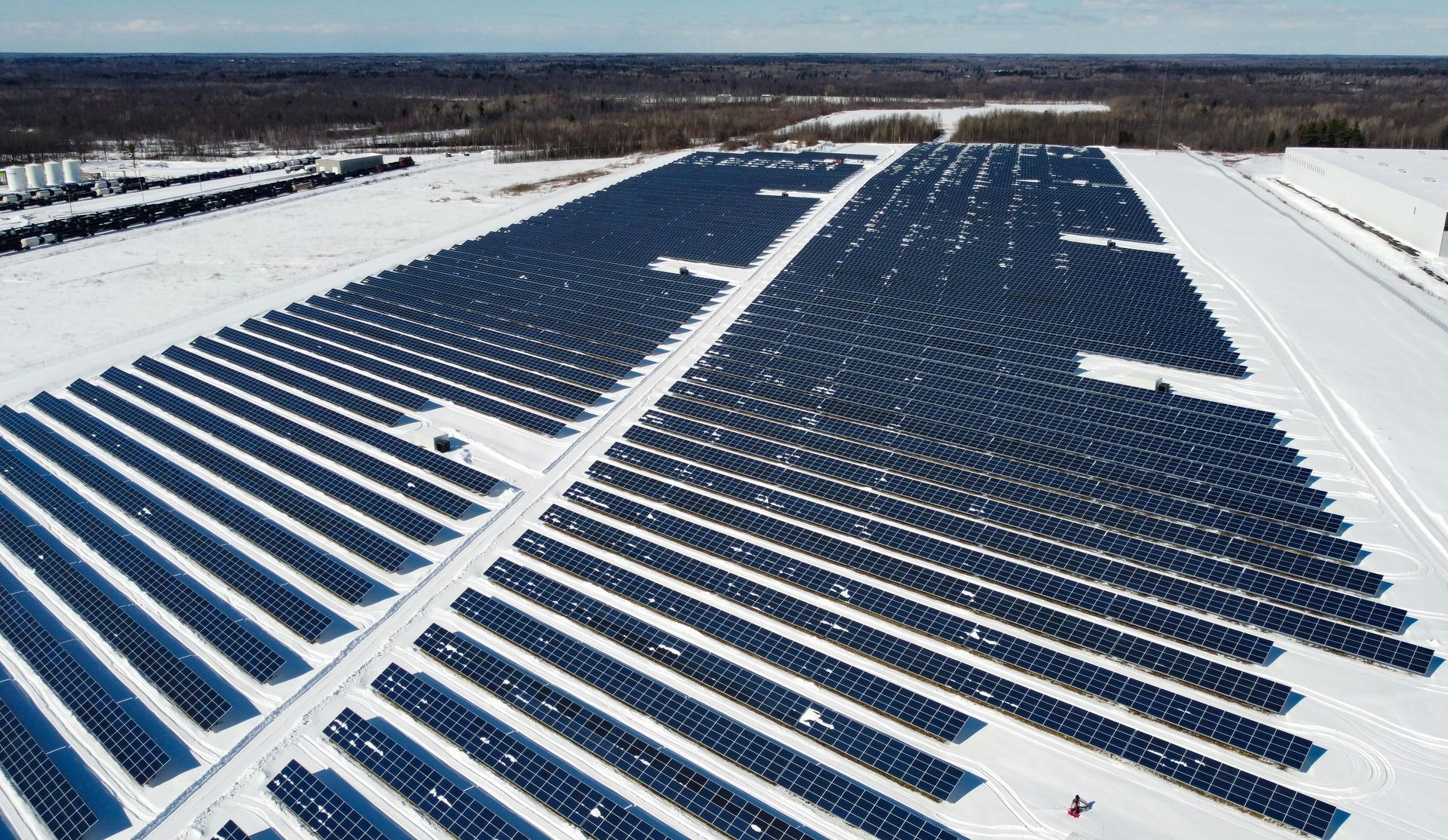
Minnesota is no stranger to extreme cold. With winter temperatures routinely dipping below zero and heating systems running for months at a time, energy consumption can spike quickly for commercial buildings. From office parks in the Twin Cities to manufacturing facilities in Duluth or retail spaces in St. Cloud, the harsh climate presents both operational challenges and opportunities for improvement.
Effective energy management in cold climates isn’t just about turning down the thermostat. It’s about implementing a strategic approach to heating, insulation, equipment performance, and occupant behavior that reduces utility costs without compromising comfort or safety.
This article explores the key considerations for managing energy in cold climates, how Minnesota businesses can improve efficiency, and which strategies deliver the best return during long winters.
Why Cold Weather Drives Up Energy Costs
When temperatures drop, heating systems are pushed to their limits. But many commercial buildings in Minnesota were constructed decades ago and lack the modern insulation, smart controls, or efficient HVAC systems needed to handle such demand efficiently.
Common reasons energy costs spike in cold climates include:
- Poorly insulated walls, roofs, and windows
- Oversized or aging heating equipment
- Inconsistent or outdated thermostatic controls
- Uncontrolled air infiltration (drafts, leaky doors, etc.)
- Extended equipment runtime during nights and weekends
- Lack of building automation or zoning
These issues cause buildings to use more energy than necessary and lead to unnecessarily high utility bills.
Key Principles of Cold Climate Energy Management
Energy efficiency in winter isn’t achieved through a single upgrade. Instead, it requires a coordinated approach that addresses both how energy is used and how the building retains heat.
Here are the key principles:
Optimize Building Envelope Performance
The building envelope—walls, roof, windows, and doors—has the biggest impact on heat loss. Improving thermal resistance through better insulation and high-performance windows can significantly reduce heating loads.
Maintain HVAC System Efficiency
Heating equipment must be properly sized, maintained, and operated to perform reliably in winter. Systems that are too large or neglected waste fuel and reduce comfort.
Use Smart Controls and Automation
Modern thermostats, zoning systems, and building automation platforms allow for precise temperature control and scheduling. This minimizes energy use during unoccupied hours and responds to external weather conditions.
Minimize Air Infiltration
Cold air enters and warm air escapes through cracks, gaps, and poorly sealed openings. Sealing these points reduces heat loss and helps HVAC systems operate more efficiently.
Educate Occupants and Tenants
Employees and tenants contribute to energy use through behavior—like leaving windows open or adjusting thermostats frequently. Energy awareness campaigns and clear building policies can improve efficiency without major investment.
High-Impact Strategies for MN Businesses
Conduct a Winter-Focused Energy Audit
Before investing in upgrades, a commercial energy audit can identify exactly where heat is being lost and which systems are underperforming. This creates a roadmap for improvements based on cost vs. return.
Improve Insulation and Air Sealing
Inadequate insulation is one of the biggest energy wasters in cold climates. Focus on:
- Roof and attic insulation
- Wall insulation retrofits (especially for older masonry buildings)
- Weatherstripping around doors and windows
- Air sealing around utility penetrations, vents, and baseboards
Even modest improvements can reduce heating bills by 10–30%.
Upgrade or Service Your Heating System
Older boilers, furnaces, and rooftop units are often oversized and inefficient. Replacing them with high-efficiency models—or adding variable speed components like ECM motors—can reduce fuel use.
Regular servicing ensures systems run at peak efficiency and reduces risk of winter breakdowns.
Implement Smart Thermostats and Zoning
Programmable thermostats or building automation systems allow facilities to:
- Set different temperatures for different zones
- Reduce heating in unused areas
- Automatically adjust for holidays or unoccupied hours
- Track performance and identify opportunities for further savings
These systems pay for themselves quickly in regions with long heating seasons.
Consider Heat Recovery Ventilation
In tightly sealed buildings, ventilation is necessary to maintain air quality. Heat recovery ventilation (HRV) systems pre-warm incoming cold air using heat from outgoing stale air. This improves indoor comfort and reduces heating demand.
Cold Climate Challenges by Building Type
Different commercial spaces face unique winter energy management challenges:
Office Buildings
Challenge: Overheating in interior zones while perimeter zones stay cold
Solution: Zoned HVAC systems and smart thermostats to balance heating
Retail and Restaurants
Challenge: Constant door openings, high turnover of air
Solution: Install air curtains, vestibules, and rapid-close doors
Warehouses
Challenge: Large uninsulated spaces with high ceilings
Solution: Use destratification fans to push warm air down where it’s needed
Multi-Tenant Properties
Challenge: Inconsistent usage patterns and tenant control over thermostats
Solution: Submetering and clear energy policies across tenants
Schools and Institutions
Challenge: Irregular occupancy and aging infrastructure
Solution: Building automation systems and HVAC retrofits timed to the academic calendar
The Role of Real-Time Monitoring
Real-time energy monitoring is especially important in cold climates, where weather conditions can change rapidly. Monitoring platforms help businesses:
- Detect unexpected spikes in energy use
- Adjust heating schedules based on real occupancy
- Identify failing equipment before utility bills rise
- Measure the impact of envelope upgrades or control strategies
Data-driven decision-making is one of the most effective ways to continuously improve performance throughout the heating season.
Cost Savings Potential
Many businesses underestimate how much energy they can save during the winter months. According to the U.S. Department of Energy, commercial buildings that implement envelope improvements and HVAC optimization strategies can cut heating costs by 20% or more in cold climates.
For a 50,000-square-foot office in Minneapolis with a typical winter heating bill of $18,000, that’s a potential savings of $3,600 or more per season.
Frequently Asked Questions
What’s the best first step for improving energy efficiency in winter?
Start with an energy audit that focuses on your building’s envelope, HVAC performance, and controls. This creates a prioritized action plan for your specific building.
Is it worth upgrading insulation in an older building?
Yes. Older buildings often lack modern insulation. Upgrading can lead to substantial savings and improve occupant comfort.
How do I manage tenant comfort while saving energy?
Use zoning and tenant-specific controls to meet individual needs. Submetering can also promote awareness and accountability.
Can I get rebates for winter-focused upgrades?
Yes. Minnesota utilities offer rebates for insulation, HVAC upgrades, and smart thermostats. These programs can reduce upfront costs significantly.
Stay Efficient, Even in the Deep Cold
Minnesota’s winters may be long and severe, but they don’t have to come with sky-high utility bills. With the right strategies—from better insulation and HVAC upgrades to real-time monitoring and smart controls—businesses can reduce heating costs and improve building performance throughout the season.
Eco Energy Solutions MN LLC works with businesses across Minnesota to design cold-climate energy strategies tailored to your building type, goals, and budget. Whether you manage a small office, a school, or a multi-site portfolio, we can help you implement the most cost-effective winter solutions.
Schedule a free consultation today:
https://www.minnesotaecoenergysolutions.com/contact
Recent Posts