Optimize Operations Through Continuous Energy Monitoring
Managing energy use in a commercial building used to be a reactive process. Facility managers would wait for the monthly utility bill to arrive, compare it to the previous cycle, and try to determine what went wrong—or what went right. Today, that approach is no longer enough.
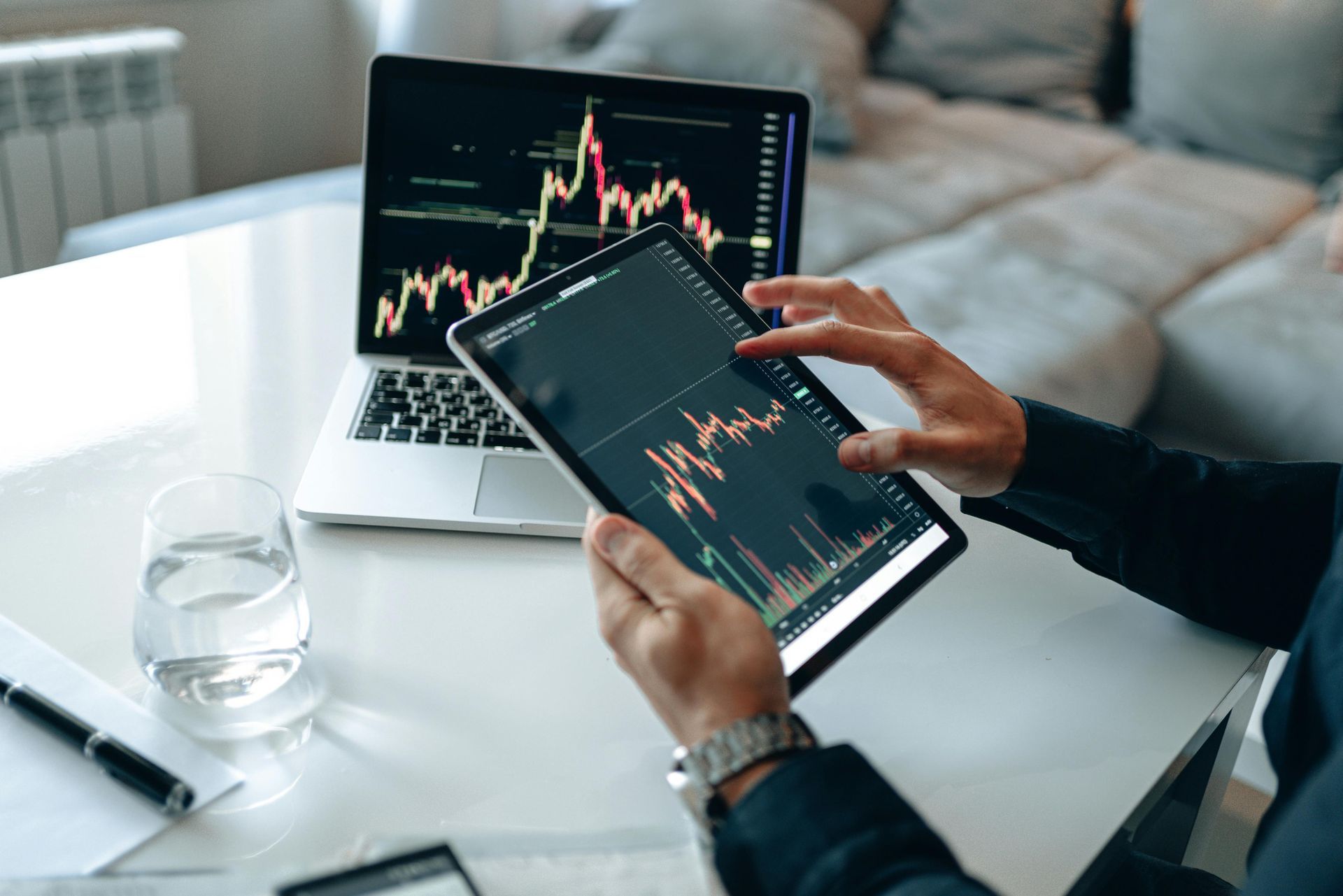
With modern technology, real-time energy data gives building owners and operators the ability to monitor, analyze, and respond to utility consumption as it happens. This shift from reactive to proactive energy management helps businesses across Minnesota reduce utility costs, improve system performance, and meet sustainability targets more efficiently.
This article explains how real-time energy data works, how it improves building performance, and the tools Minnesota businesses can use to turn raw data into real savings.
Why Real-Time Energy Monitoring Matters
Most commercial buildings operate under a “set and forget” model for energy use. HVAC systems follow default schedules, lights stay on longer than needed, and operational inefficiencies go unnoticed—until costs rise.
Real-time energy data offers several key benefits that traditional monthly usage reports cannot:
- Instant visibility into electricity, gas, and water consumption
- Early detection of system faults or waste
- Precise load management to avoid demand spikes
- Continuous tracking of performance after efficiency upgrades
- Support for sustainability reporting and benchmarking
In climates like Minnesota’s, where heating and cooling loads vary dramatically by season, real-time energy monitoring allows for rapid adjustment and smarter decision-making—especially during peak usage periods.
How Real-Time Energy Data Is Collected
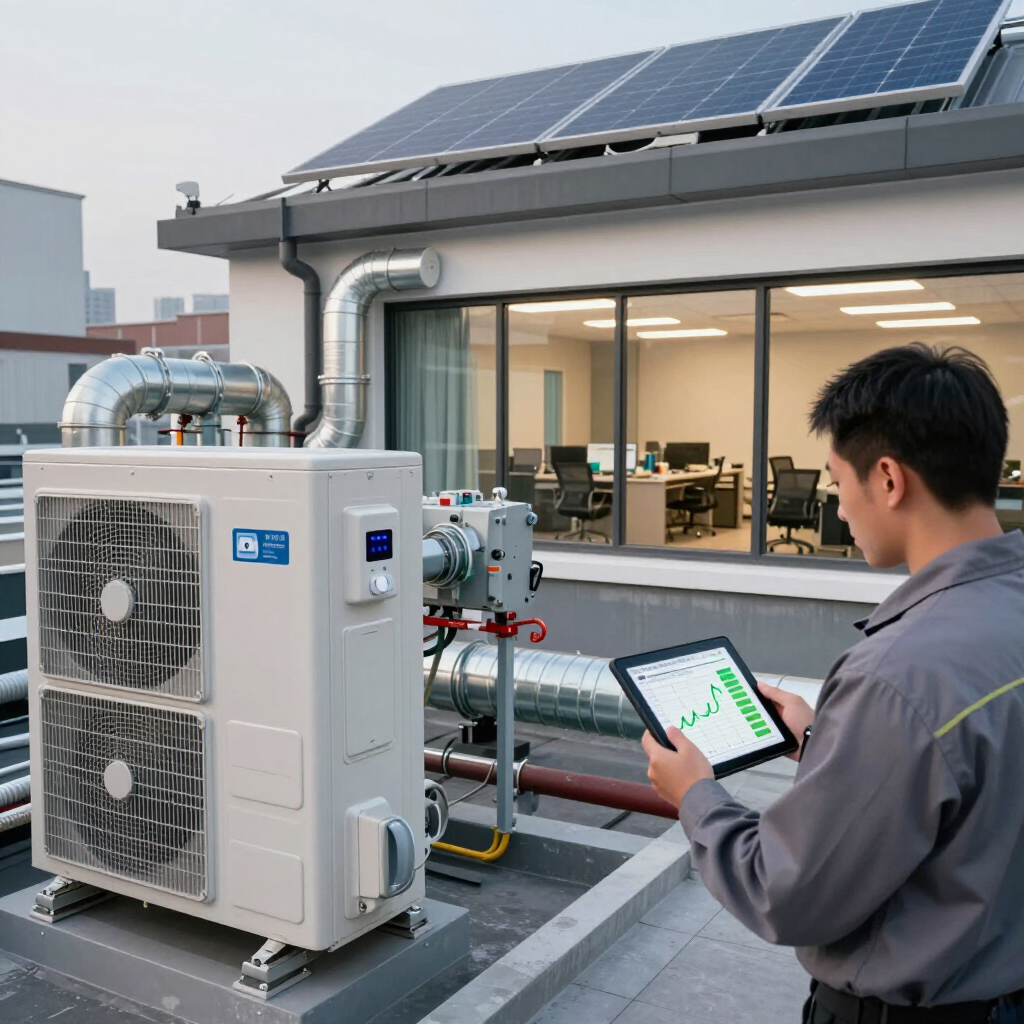
To access real-time energy data, buildings must be equipped with monitoring tools that collect and transmit usage data at regular intervals—often every 1 to 15 minutes. These systems typically include:
- Smart Meters: Installed by utility providers to track whole-building usage.
- Submeters: Installed internally to track usage by tenant, floor, or equipment type.
- Sensors and IoT Devices: Used to monitor HVAC, lighting, refrigeration, and plug loads.
- Gateways and Data Loggers: Devices that collect and transmit energy data to cloud-based platforms.
The data is then visualized in dashboards that allow facility teams to monitor usage in real time, receive alerts, and analyze trends.
Key Performance Areas Improved by Real-Time Data
Real-time energy monitoring improves building performance in several critical areas:
Equipment Efficiency
Real-time monitoring helps detect when equipment is running inefficiently. For example, an HVAC unit that’s short-cycling or operating outside scheduled hours can be identified and corrected immediately—avoiding energy waste and unnecessary wear.
Load Management
Commercial energy bills in Minnesota often include demand charges based on peak usage. Real-time data helps building operators stagger equipment usage, shift loads to off-peak hours, or automate load shedding strategies—all of which reduce demand charges.
Comfort and Occupant Control
By pairing real-time data with building automation systems (BAS), facilities can respond more accurately to occupancy patterns. This allows for more consistent indoor comfort while reducing over-conditioning and energy waste.
Fault Detection and Maintenance
Monitoring systems can flag abnormal usage patterns that indicate equipment issues—like a leaking chiller, stuck damper, or failing motor—before they cause major utility spikes or breakdowns. This reduces reactive maintenance and downtime.
Post-Upgrade Performance Tracking
After completing energy efficiency upgrades, building owners can use real-time data to confirm that savings are being realized as projected. This supports ROI tracking, rebate verification, and internal reporting.
Use Cases in Minnesota Office and Commercial Buildings
Real-time energy data has helped many Minnesota facilities achieve substantial performance gains. Examples include:
Office Buildings in the Twin Cities
By monitoring HVAC and lighting zones in real time, facility teams have been able to cut usage during off-hours, reducing energy costs by up to 18% annually.
Restaurants and Hospitality
In buildings where equipment runs continuously, real-time data helps identify spikes in refrigeration or kitchen equipment energy use—leading to better scheduling and fault detection.
Multi-Tenant Buildings in Rochester
Submetering combined with real-time monitoring enables landlords to track tenant-level usage, ensure fair billing, and encourage conservation behavior among occupants.
Industrial Facilities in Northern MN
Heavy machinery and process loads can be optimized through load profiling and automated responses to demand peaks, saving thousands in demand charges.
How to Implement Real-Time Energy Monitoring
The path to real-time visibility doesn’t have to be disruptive or expensive. Most systems are scalable and can begin with a few key meters or systems. Here’s how to get started:
1. Conduct an Energy Audit
Start by identifying the biggest areas of waste or unknowns. An energy audit will help you understand your building’s baseline usage and recommend where monitoring will have the highest impact.
Learn more about commercial audits:
Eco Energy Solutions MN –
https://www.minnesotaecoenergysolutions.com/commercial-energy-audit
2. Prioritize High-Value Systems
Begin by monitoring HVAC, lighting, and major plug loads. These are typically the largest contributors to energy consumption.
3. Choose the Right Monitoring Platform
Look for a system that offers:
- Cloud-based dashboards
- Real-time and historical data access
- Integration with existing BAS or controls
- Mobile access and customizable alerts
- Ability to expand or add more meters over time
4. Set Thresholds and Alerts
Establish normal usage ranges and set up automated alerts for anomalies, excessive usage, or equipment runtime outside of scheduled hours.
5. Train Staff or Partner with a Service Provider
Data is only useful when acted upon. Ensure staff know how to interpret the information or work with an energy management company that can support optimization efforts.
Real-Time Energy Monitoring vs. Traditional Methods
| Feature | Traditional Monitoring | Real-Time Monitoring |
|---|---|---|
| Frequency of Data | Monthly or quarterly | Every 1–15 minutes |
| Response Time to Issues | Reactive (after billing) | Immediate (proactive) |
| Utility Bill Visibility | End-of-month summary | Ongoing live dashboard |
| Usage by Equipment/Zone | Rarely available | Equipment or zone-specific |
| Peak Demand Control | Not available | Actively managed |
| Ideal for Energy Upgrades | Limited verification | Post-upgrade ROI tracking |
Frequently Asked Questions
How much can real-time monitoring save?
Typical savings range from 5% to 20% depending on the building type, size, and how effectively insights are used.
Is real-time monitoring only for large buildings?
No. Even smaller commercial buildings can benefit from affordable cloud-based monitoring platforms that offer real-time data and alerts.
Can I integrate real-time data with existing BAS?
Yes. Many modern systems are designed to integrate with your current controls, making the process seamless and scalable.
Does this require major infrastructure changes?
Most systems can be retrofitted with minimal disruption. You can start with a few key meters and expand as needed.
Ready to Monitor and Optimize Your Building in Real Time?
Whether you're managing a single office building or a portfolio of properties across Minnesota, real-time energy data provides the insight needed to improve efficiency, reduce costs, and operate smarter.
Eco Energy Solutions MN LLC helps commercial property owners in Minneapolis, St. Paul, Rochester, and greater Minnesota implement real-time energy monitoring systems customized for their buildings. From audits to system installation and support, we deliver solutions that produce results.
Start with a free consultation today to explore your options:
https://www.minnesotaecoenergysolutions.com/contact
Recent Posts