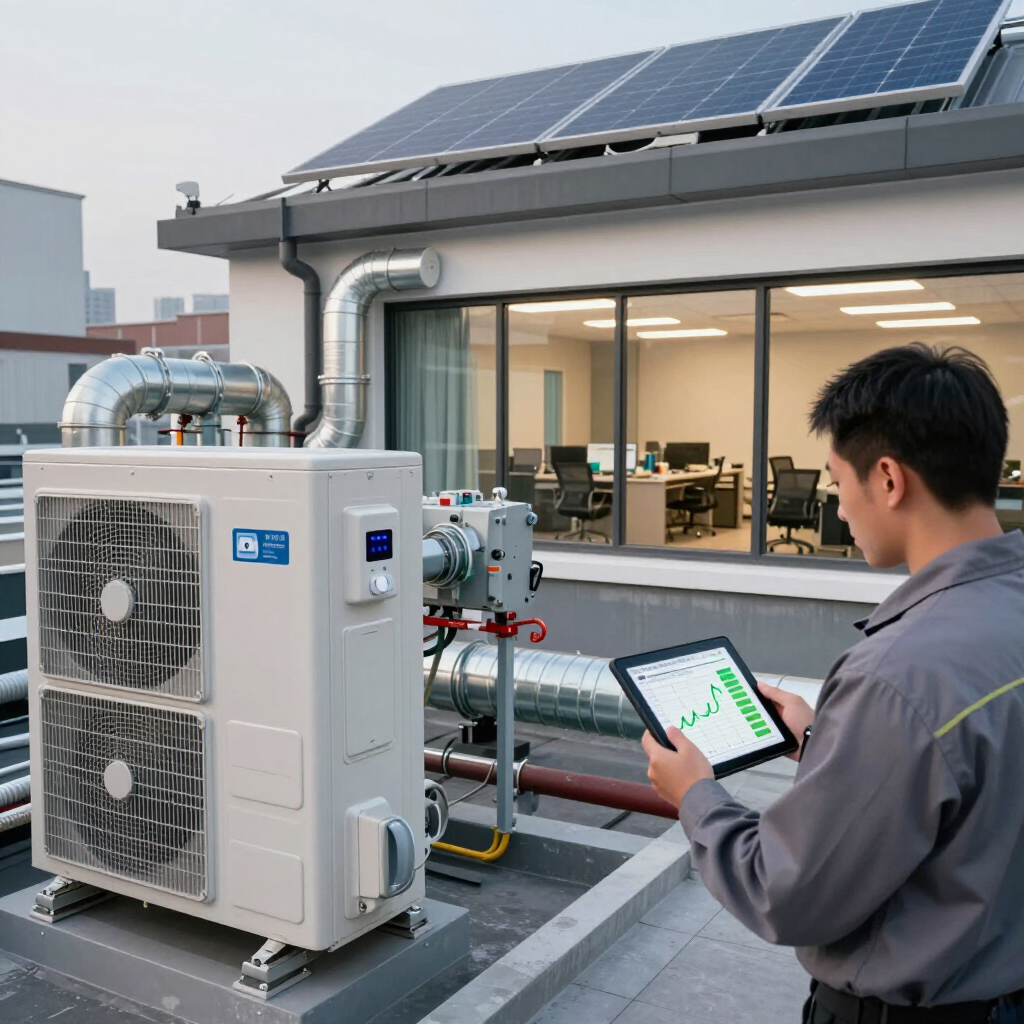
Understanding Energy Savings Performance Contracts (ESPCs)

Rising utility costs and aging building systems can make energy efficiency upgrades feel financially out of reach for many Minnesota businesses. However, there is a solution that allows commercial property owners, public institutions, and facility managers to make major improvements with little to no upfront capital: Energy Savings Performance Contracts (ESPCs).
ESPCs are a flexible financing model that pays for building upgrades through future energy savings. These agreements allow organizations to modernize infrastructure, improve efficiency, and reduce long-term utility costs—all while shifting financial risk to the service provider.
In this article, we’ll explain how energy savings performance contracts work, who they’re best suited for, and how Minnesota businesses and institutions can take advantage of them.
What Is an Energy Savings Performance Contract?
An Energy Savings Performance Contract (ESPC) is a financial agreement between a building owner and an Energy Services Company (ESCO). Under this contract, the ESCO identifies energy-saving opportunities, implements the necessary upgrades, and guarantees that the resulting savings will cover the cost of the project over a defined period.
The building owner repays the cost of the improvements through those energy savings—often over 5 to 20 years. If the guaranteed savings aren’t achieved, the ESCO is responsible for covering the shortfall.
This model allows building owners to complete energy upgrades without capital budget approval or taking on long-term debt.
How ESPCs Work: Step-by-Step
1. Energy Audit and Savings Analysis
The ESCO conducts a detailed commercial energy audit of the facility to assess baseline utility usage and identify areas for improvement. This includes lighting, HVAC systems, building automation, envelope improvements, water conservation, and more.
2. Project Proposal and Savings Guarantee
Based on audit findings, the ESCO proposes a project scope with an energy savings guarantee. Savings are often calculated using historical utility data and weather normalization.
3. Project Financing
The upgrades are funded through third-party financing, the ESCO, or municipal bonds (in the case of public entities). The owner typically makes no upfront investment.
4. Construction and Implementation
The ESCO installs the approved energy efficiency upgrades and ensures minimal disruption to building operations.
5. Measurement and Verification (M&V)
After installation, the ESCO monitors utility performance and reports savings. If savings fall short of the guaranteed amount, the ESCO compensates the owner for the difference.
Who Benefits from ESPCs?
Energy Savings Performance Contracts are particularly effective for:
- Public sector buildings (schools, government offices, libraries)
- Universities and hospitals
- Commercial real estate portfolios
- Large industrial or warehouse facilities
- Multi-tenant commercial buildings with complex utility systems
For many of these entities, capital funding for energy upgrades is limited or requires lengthy approval processes. ESPCs allow improvements to move forward without delay, while repaying costs through predictable savings.
Benefits of ESPCs for Minnesota Businesses
Minnesota’s diverse climate, aging infrastructure, and growing energy regulations make ESPCs an especially useful tool. Specific benefits include:
No Upfront Capital Required
One of the most attractive features of ESPCs is that they eliminate the need for upfront spending. Financing is structured around future cost reductions, making the approach budget-neutral.
Guaranteed Results
Because the ESCO guarantees energy savings, risk is shifted away from the building owner. This ensures accountability and performance over time.
Flexible Scope
Projects can range from simple lighting retrofits to comprehensive building system overhauls. The ESPC structure supports single buildings or entire portfolios.
Improved Building Value and Comfort
Upgrades typically result in better air quality, temperature control, and tenant satisfaction—factors that improve leasing rates and long-term asset value.
Compliance with Local Regulations
In cities like Minneapolis and St. Paul, energy benchmarking laws are becoming stricter. ESPCs help building owners comply while avoiding capital strain.
Common Upgrades Included in ESPCs
Energy performance contracts often cover a wide range of improvements, including:
- LED lighting retrofits and controls
- High-efficiency HVAC upgrades
- Smart building automation systems (BAS)
- Insulation, air sealing, and envelope upgrades
- Water conservation measures (low-flow fixtures, leak detection)
- Boiler and chiller replacements
- Energy monitoring systems
- Demand management and peak load control
- Renewable energy integration (solar panels)
Each solution is evaluated for its payback period, reliability, and contribution to overall performance improvement.
How Are Energy Savings Measured?
ESPCs require a standardized, transparent process to track and verify savings over time. This is known as Measurement and Verification (M&V).
Key aspects of the M&V process include:
- Establishing a utility baseline before implementation
- Applying weather normalization to account for seasonal variability
- Using industry protocols such as IPMVP (International Performance Measurement and Verification Protocol)
- Regularly reporting savings to stakeholders
- Adjusting savings calculations for building changes or occupancy fluctuations
Many ESCOs offer web-based dashboards and real-time analytics tools so clients can track performance as part of their ongoing facility management strategy.
Are There ESPC Programs in Minnesota?
Yes. Several state and utility programs support or enable ESPCs, especially for public sector buildings:
- Minnesota Guaranteed Energy Savings Program (GESP)
Managed by the Department of Commerce, this program helps public entities implement ESPCs using a pre-approved list of ESCOs. Learn more at mn.gov/commerce - Xcel Energy and CenterPoint Energy Rebate Programs
Rebate funds for qualifying energy efficiency measures can be layered with ESPC financing to shorten payback periods. - PACE Financing (Property Assessed Clean Energy)
Available in some counties, this allows commercial property owners to repay upgrades through property taxes over time.
When Is an ESPC the Right Choice?
An ESPC may be ideal if:
- Your facility has significant energy waste but limited capital budget
- You manage multiple buildings and want to streamline upgrades
- You're facing regulatory compliance deadlines
- Your building systems are outdated and need modernization
- You want guaranteed results and expert management of the full process
If you’re unsure whether your building qualifies, starting with an energy audit is the best first step.
Frequently Asked Questions
What’s the typical payback period in an ESPC?
Payback periods vary by project scope, but most ESPCs are structured for 7 to 20 years of repayment through savings.
Who owns the equipment after installation?
In most ESPCs, ownership transfers to the building owner immediately or after repayment is complete.
Can I use rebates in addition to ESPC financing?
Yes. Utility rebates and tax incentives can be combined with ESPC projects to reduce overall costs and shorten the payback timeline.
Is there a minimum project size?
While larger projects benefit most, ESPCs can apply to mid-sized commercial properties if savings justify the contract structure.
Start Exploring ESPCs for Your Minnesota Facility
Energy Savings Performance Contracts offer a low-risk, high-reward pathway to building efficiency. They’re ideal for property owners looking to modernize infrastructure, lower utility bills, and improve sustainability—without capital constraints.
At Eco Energy Solutions MN LLC, we help businesses, schools, and institutions throughout Minnesota plan, implement, and track ESPC projects. From energy audits to post-project measurement, we manage the entire process and help you achieve guaranteed results.
To learn more or schedule an initial assessment, contact us today:
https://www.minnesotaecoenergysolutions.com/contact
Recent Posts