2026 Facility Manager's Guide to Reducing Utility Costs

In 2026, utility costs continue to be one of the largest operating expenses for commercial buildings in Minnesota. From rising electricity rates to unpredictable weather patterns, facility managers are under more pressure than ever to find savings without compromising comfort, safety, or system reliability.
The good news is that most buildings have multiple opportunities to reduce utility costs—many of which don’t require large capital investments. With a proactive approach, ongoing monitoring, and a strategic checklist, facility managers can uncover hidden waste, improve building performance, and drive year-over-year savings.
This practical checklist outlines the most effective steps facility managers can take in 2026 to reduce utility expenses across electricity, gas, and water systems.
Conduct a Utility Bill Review Every Quarter
Begin by reviewing 12 to 24 months of utility bills for electricity, gas, and water. Look for:
- Unexplained usage spikes or seasonal anomalies
- Increases in demand charges
- Rate plan changes from your provider
- Inconsistencies between similar months or billing cycles
If you find anomalies, consider a professional utility audit. Even a minor billing error or unnoticed leak can cost thousands annually.
Eco Energy Solutions MN offers commercial utility bill audits across Minnesota: https://www.minnesotaecoenergysolutions.com/commercial-energy-audit
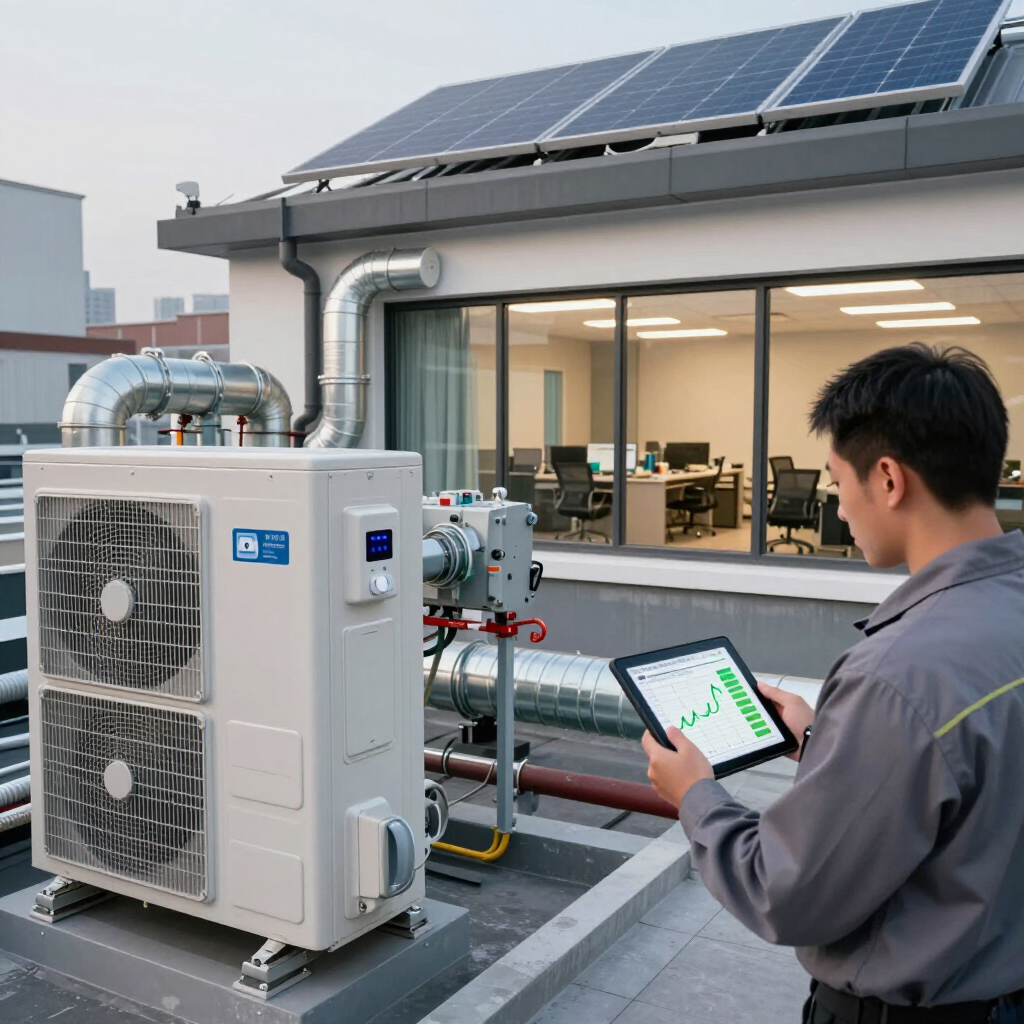
Schedule Preventive Maintenance for HVAC Systems
Heating and cooling account for 40–60% of energy use in many buildings. Poor maintenance leads to overuse, breakdowns, and energy waste.
Maintenance checklist:
- Replace air filters monthly or quarterly
- Inspect belts, fans, and motors
- Clean condenser and evaporator coils
- Check refrigerant levels
- Verify thermostat calibration
- Schedule seasonal inspections for boilers and RTUs
Make sure BAS and smart thermostats are functioning and following current occupancy schedules.
Update Lighting Systems to High-Efficiency LEDs
If your building still uses fluorescent or incandescent lighting, upgrade to LEDs. This delivers:
- 50% to 70% reduction in lighting energy use
- Longer lifespan and reduced maintenance
- Improved lighting quality
- Compatibility with sensors and dimming controls
Add motion sensors, timers, and daylight harvesting where appropriate to avoid lights running when unnecessary.
Audit and Adjust HVAC Schedules
Too many buildings still operate HVAC systems from 5 a.m. to 10 p.m., even when unoccupied.
Use your BAS or programmable thermostats to:
- Set occupancy-based schedules
- Use temperature setbacks during nights and weekends
- Reduce airflow in rarely used areas
- Adjust zone control by floor or department
Proper scheduling can save 10–15% annually on HVAC energy costs.
Implement Submetering and Zone-Level Monitoring
If your building includes multiple tenants or departments, install submeters to track energy and water use by zone. This:
- Promotes accountability and conservation
- Enables tenant billing based on usage
- Helps detect overuse in specific areas
Real-time dashboards allow facility managers to monitor trends and respond quickly to irregular usage.
Look for Demand Spikes and Peak Charges
Demand charges can account for 20–40% of your total electricity bill. These are based on the highest 15-minute usage period during a billing cycle.
To manage demand:
- Stagger equipment start-up schedules
- Avoid running HVAC and major machinery simultaneously
- Use load-shedding during peak periods
- Review demand data from your utility provider or energy dashboard
Reducing peak demand can yield substantial savings with minimal operational changes.
Check for Air Leaks and Poor Insulation
Uncontrolled air infiltration wastes energy year-round. Facility managers should inspect for:
- Drafts near doors, windows, and wall penetrations
- Gaps around electrical or plumbing chases
- Poor weatherstripping or worn seals
- Uninsulated pipes and ductwork in unconditioned spaces
Sealing these leaks improves HVAC efficiency and indoor comfort. Schedule professional air sealing or insulation evaluations for older buildings.
Evaluate Water Usage and Detect Waste
Many commercial buildings lose water through small leaks, over-irrigation, or inefficient fixtures.
Checklist for water efficiency:
- Inspect faucets, toilets, and irrigation systems for leaks
- Install aerators and low-flow fixtures
- Optimize irrigation schedules for weather conditions
- Submeter outdoor water use where possible
- Monitor monthly water bills for unexplained increases
Fixing one leaking toilet can save over 200 gallons per day.
Engage Occupants and Tenants
Facility efficiency is a team effort. Educate occupants and tenants about your energy-saving efforts and how they can help.
Strategies include:
- Posting signage in shared areas (e.g., “Turn off lights”)
- Holding seasonal energy awareness campaigns
- Sharing monthly performance dashboards
- Including efficiency guidelines in lease agreements
- Offering incentives for departments that reduce usage
Behavioral change can drive 3–5% savings with no cost.
Apply for Rebates and Incentives
Minnesota utilities offer generous incentives for energy efficiency projects. Before purchasing or upgrading:
- Check rebate programs from Xcel Energy, CenterPoint Energy, and others
- Apply for pre-approval when required
- Combine rebates with utility bill savings to shorten ROI
- Use rebates to fund pilot projects or lower-risk improvements
Examples of rebate-eligible items include:
- LED lighting and controls
- High-efficiency HVAC systems
- Smart thermostats and BAS
- Variable frequency drives (VFDs)
- Demand response participation
Monitor and Benchmark Energy Performance
Use tools like ENERGY STAR Portfolio Manager or real-time dashboards to track performance over time.
Benchmark your building against similar facilities to identify gaps and savings potential. If required by local ordinance (such as Minneapolis), make sure your building is compliant with benchmarking laws.
Ongoing monitoring allows you to:
- Confirm the impact of upgrades
- Identify seasonal performance issues
- Justify future investments with data
- Share progress with stakeholders
Frequently Asked Questions
How much can facility managers typically save with proactive utility management?
Savings typically range from 10% to 25%, depending on building type, age, and current operating practices.
Do I need a BAS to manage energy efficiently?
No. While BAS is helpful, even programmable thermostats and lighting controls can significantly improve performance when properly managed.
How often should I schedule HVAC maintenance?
Filters should be checked monthly. Full inspections should be conducted before each heating and cooling season.
What tools can help me track usage in real time?
Platforms like energy dashboards, smart meters, and submetering tools provide real-time insights. These are often integrated into BAS or available as standalone solutions.
Take Control of Utility Costs in 2026
With energy prices fluctuating and sustainability goals rising, 2026 is the year to take a more proactive approach to utility management. Facility managers who follow a consistent checklist and make data-driven decisions can significantly reduce costs, extend equipment life, and improve overall building performance.
Eco Energy Solutions MN LLC helps Minnesota businesses create custom utility management plans through audits, monitoring, and strategic upgrades. Whether you're managing an office, retail center, restaurant, or multi-tenant property, our team can guide you toward smarter energy decisions that pay off year after year.
Start with a free consultation today:
https://www.minnesotaecoenergysolutions.com/contact
Recent Posts