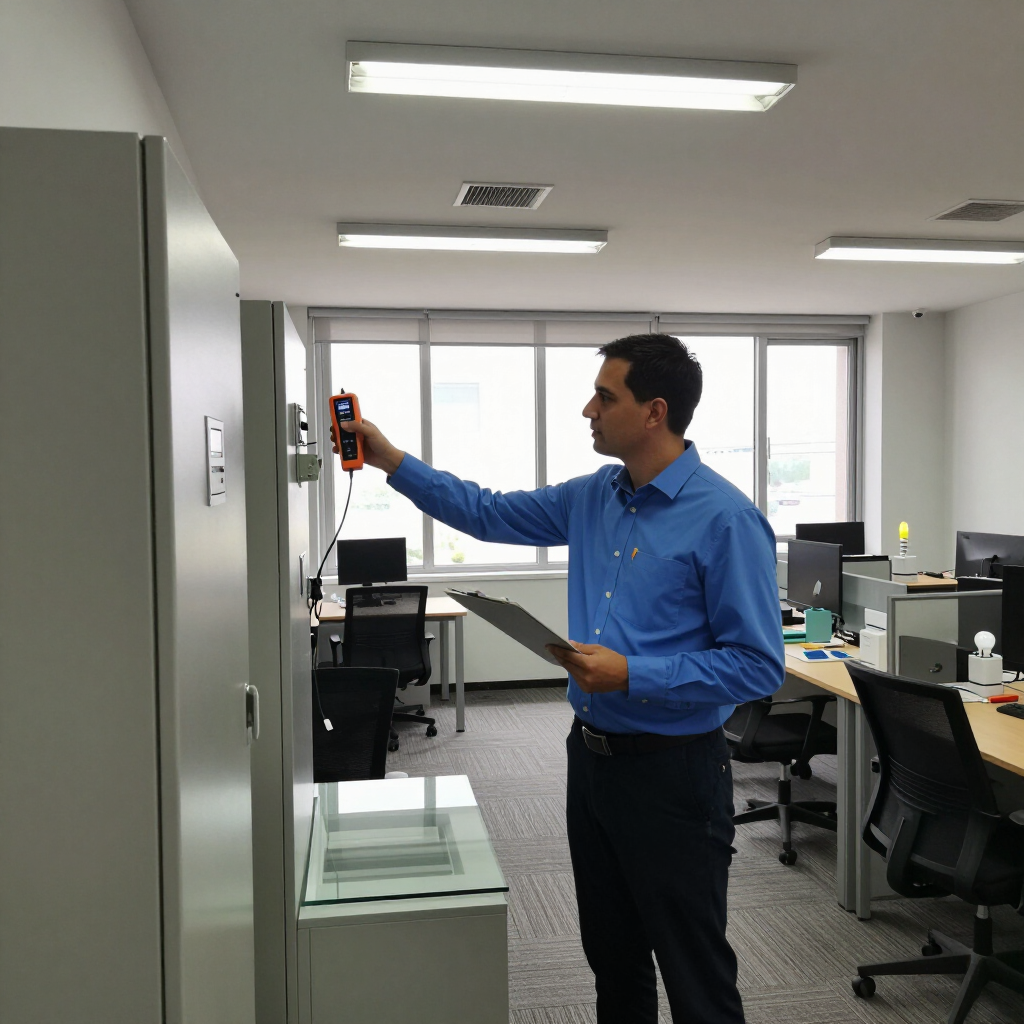
Learn how to establish a baseline to better manage utility consumption.

Understanding how your commercial building consumes energy is the foundation of any effective energy management plan. Yet many businesses across Minnesota—especially those in older or multi-tenant buildings—lack a clear picture of their actual usage patterns. That’s where setting a utility baseline comes in.
A utility baseline provides a measurable starting point for tracking energy consumption, identifying inefficiencies, and evaluating the impact of future upgrades. Whether you're preparing for a commercial energy audit, benchmarking for compliance in Minneapolis, or pursuing energy savings performance contracts, defining a baseline is a critical first step.
This article explains what a utility baseline is, how it’s used, and the steps Minnesota businesses can take to create one for their facilities.
What Is a Utility Baseline?
A utility baseline is a reference point that represents your building’s typical energy or water consumption over a defined period. It serves as a benchmark for evaluating how current or future energy performance compares to past usage.
A well-established baseline allows you to:
- Track utility performance over time
- Measure the results of energy efficiency upgrades
- Support energy audits and ENERGY STAR benchmarking
- Identify seasonal or operational usage patterns
- Evaluate ROI from system upgrades or process changes
Baselines are typically measured in energy units (e.g., kWh, therms, gallons) and may also be normalized by square footage, operating hours, or weather conditions to create more accurate comparisons.
Why Utility Baselines Matter for Commercial Buildings
Without a baseline, it’s nearly impossible to know whether your building is operating efficiently—or if your energy costs are rising unnecessarily. A utility baseline offers both a historical and analytical foundation to guide energy strategy, investment decisions, and facility management practices.
For businesses in Minnesota, utility baselines are especially valuable due to:
- Seasonal fluctuations in demand from heating and cooling
- Rebate program requirements that mandate pre/post tracking
- Benchmarking laws (e.g., in Minneapolis) that require data reporting
- Operational variability across multi-use or multi-tenant buildings
- Environmental goals tied to ESG, LEED, or B3 Standards
In short, baselines help connect the dots between energy use, equipment performance, and operating cost trends.
Common Uses for Utility Baselines
Here are several ways Minnesota businesses and property managers use baselines to improve performance:
Energy Efficiency Project Evaluation
After implementing upgrades—such as LED lighting, HVAC improvements, or automation systems—you can compare post-installation energy use against the baseline to measure savings.
Budgeting and Forecasting
A historical baseline helps you predict seasonal or monthly utility costs more accurately, especially in variable climates like Northern Minnesota.
Performance Benchmarking
Baseline data is essential for tools like ENERGY STAR Portfolio Manager or local compliance reporting. It also allows comparison with similar buildings or national averages.
Tenant Accountability
In multi-tenant buildings, comparing actual usage against baseline expectations can encourage more responsible utility use and support fair billing.
How to Set a Utility Baseline: Step-by-Step
Creating a utility baseline is not difficult, but it does require consistent and clean data. Here’s how to get started:
1. Gather 12–36 Months of Utility Data
Start by collecting at least 12 months of energy and water usage data—though 24–36 months is ideal for a more accurate average. This should include:
- Monthly kWh (electricity)
- Therms or BTUs (natural gas or heating fuel)
- Gallons (water use)
- Utility costs for each service
You can request this data from your utility provider or download it from existing energy management platforms.
2. Account for Variables
To make your baseline meaningful, normalize data based on variables that impact usage:
- Weather (Heating and Cooling Degree Days)
- Building occupancy levels
- Operating hours
- Major renovations or equipment changes
For example, heating usage during a record-cold winter may not reflect future performance. Weather normalization helps create a truer comparison.
3. Calculate Averages
Once data is normalized, calculate the average monthly and annual usage per utility type. These figures become your performance benchmarks.
You may also choose to express the baseline as:
- Energy Use Intensity (EUI): kBtu per square foot per year
- Cost per square foot per year
- Gallons of water per occupant per day
4. Choose a Baseline Period
Select a baseline year or multi-year range that reflects typical building operation. Avoid periods with major construction or outages. For compliance purposes, some programs specify baseline years (e.g., pre-2020).
5. Document and Visualize
Store the baseline in a centralized platform or spreadsheet, and use visual charts to track future performance against it. Tools like ENERGY STAR Portfolio Manager or third-party energy dashboards make this easy.
Example: Utility Baseline for a Minneapolis Office Building
A 50,000-square-foot commercial office in Minneapolis tracked the following utility usage in 2024:
- Electricity: 720,000 kWh
- Natural Gas: 80,000 therms
- Water: 600,000 gallons
- Energy Use Intensity (EUI): 120 kBtu/sf/year
- Annual utility cost: $98,000
After implementing a building automation system and LED retrofit in 2025, annual energy use dropped by 15%, and water consumption by 8%. Because they had a documented baseline, the property owner was able to measure actual savings, validate rebate claims, and update their ENERGY STAR score from 65 to 81.
Tools and Resources for Setting a Baseline
Minnesota businesses can use a variety of tools to streamline the baseline process:
- ENERGY STAR Portfolio Manager
Free platform for benchmarking and tracking building energy and water use. - Utility Provider Dashboards
Xcel Energy, CenterPoint Energy, and others offer downloadable usage data. - Energy Monitoring Systems
Real-time tracking platforms simplify ongoing data collection and baseline updates.
Commercial Energy Audits
Companies like Eco Energy Solutions MN provide audit services that include baseline development, analysis, and recommendations.
Commercial Energy Audit –
https://www.minnesotaecoenergysolutions.com/commercial-energy-audit
Frequently Asked Questions
What’s the minimum data required to set a baseline?
At least 12 months of utility data is recommended. For better accuracy, aim for 24 to 36 months.
Can I set separate baselines for each utility type?
Yes. Electricity, gas, and water should all be tracked independently. You may also want to create baselines by building zone or tenant.
Is weather normalization required?
Not always, but it’s highly recommended—especially in climates like Minnesota’s. It helps ensure your baseline reflects performance, not just weather-driven consumption spikes.
How often should I revisit or update my baseline?
Update your baseline after any major system change or upgrade. Otherwise, reviewing it annually is sufficient for performance tracking.
Set the Foundation for Smarter Utility Management
Creating a utility baseline is one of the simplest yet most valuable steps you can take to improve building performance. It helps track progress, justify investments, and reduce long-term utility costs with confidence.
At Eco Energy Solutions MN LLC, we help commercial property owners and facility managers throughout Minneapolis, St. Paul, Rochester, and greater Minnesota set meaningful baselines and use them to drive savings. Whether you manage an office, school, multi-family complex, or industrial facility, our team can provide audits, monitoring tools, and strategic guidance.
Start with a free consultation or audit today:
https://www.minnesotaecoenergysolutions.com/contact
Recent Posts