Explore commercial energy consumption and discover solutions to cut costs and improve efficiency
Energy is one of the largest operating expenses for commercial buildings in Minnesota. From heating during long winters to cooling in humid summers, utility bills place a heavy burden on business budgets. At the same time, state and city regulations, investor expectations, and sustainability goals are pushing businesses to better manage energy consumption.
Understanding how and why commercial energy is used—and identifying solutions to reduce waste—is the first step toward lower costs and improved building performance.
Commercial Energy Consumption in Minnesota: The Big Picture
Commercial buildings in Minnesota consume significant amounts of energy, driven by climate conditions, building age, and occupancy type.
According to the U.S. Energy Information Administration and Minnesota Department of Commerce:
- Heating is the largest load, with natural gas use dominating during Minnesota’s extended winters.
- Electricity demand peaks in summer, driven by cooling and humidity control.
- Commercial buildings use nearly 40% of all energy in the U.S., and Minnesota mirrors this national trend.
- Older buildings (constructed before modern energy codes) are far less efficient and account for much of the excess consumption.
- Large buildings over 50,000 square feet often consume disproportionately more due to higher HVAC and lighting loads.
These trends highlight the need for better energy management strategies tailored to Minnesota’s unique conditions.
Key Trends in Commercial Energy Consumption
1. HVAC Systems Dominate Energy Use
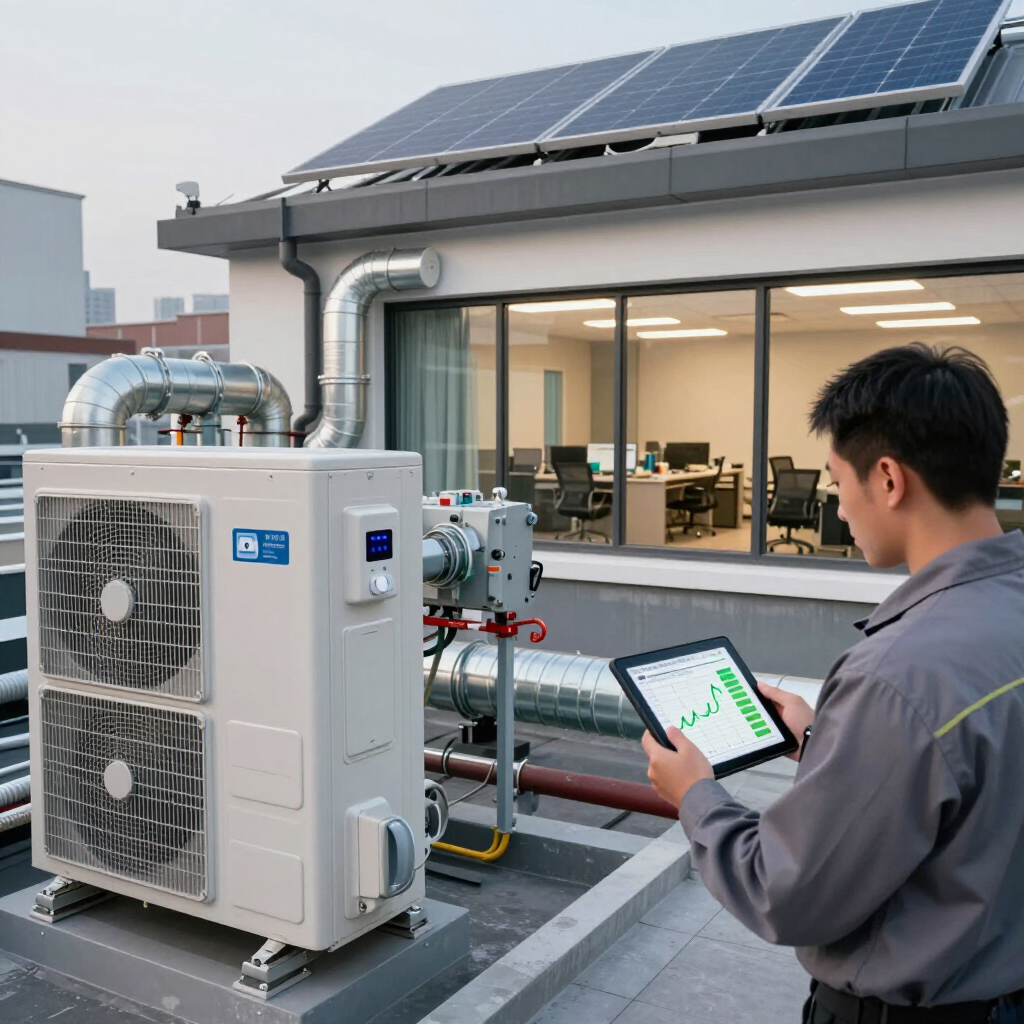
Heating, ventilation, and air conditioning (HVAC) systems represent 40% or more of total consumption in most commercial buildings. In Minnesota, long winters create a heavy reliance on heating systems, while hot, humid summers add significant cooling demand.
2. Lighting Upgrades Driving Savings
LED retrofits are now common, with many Minnesota businesses achieving 50–75% reductions in lighting energy use after replacing fluorescent and incandescent fixtures.
3. Rising Demand Charges
Utilities increasingly rely on demand charges—fees based on peak usage—to recover costs. This means short spikes in energy use (e.g., during extreme weather) can dramatically raise monthly bills.
4. Benchmarking Requirements
Minneapolis and St. Paul require large commercial properties to submit annual benchmarking reports, forcing businesses to measure and track energy use more closely.
5. Sustainability Commitments
More tenants, investors, and customers expect businesses to demonstrate sustainability leadership. Energy efficiency is one of the most cost-effective ways to reduce carbon footprints.
The body content of your post goes here. To edit this text, click on it and delete this default text and start typing your own or paste your own from a different source.
1. Energy Audits
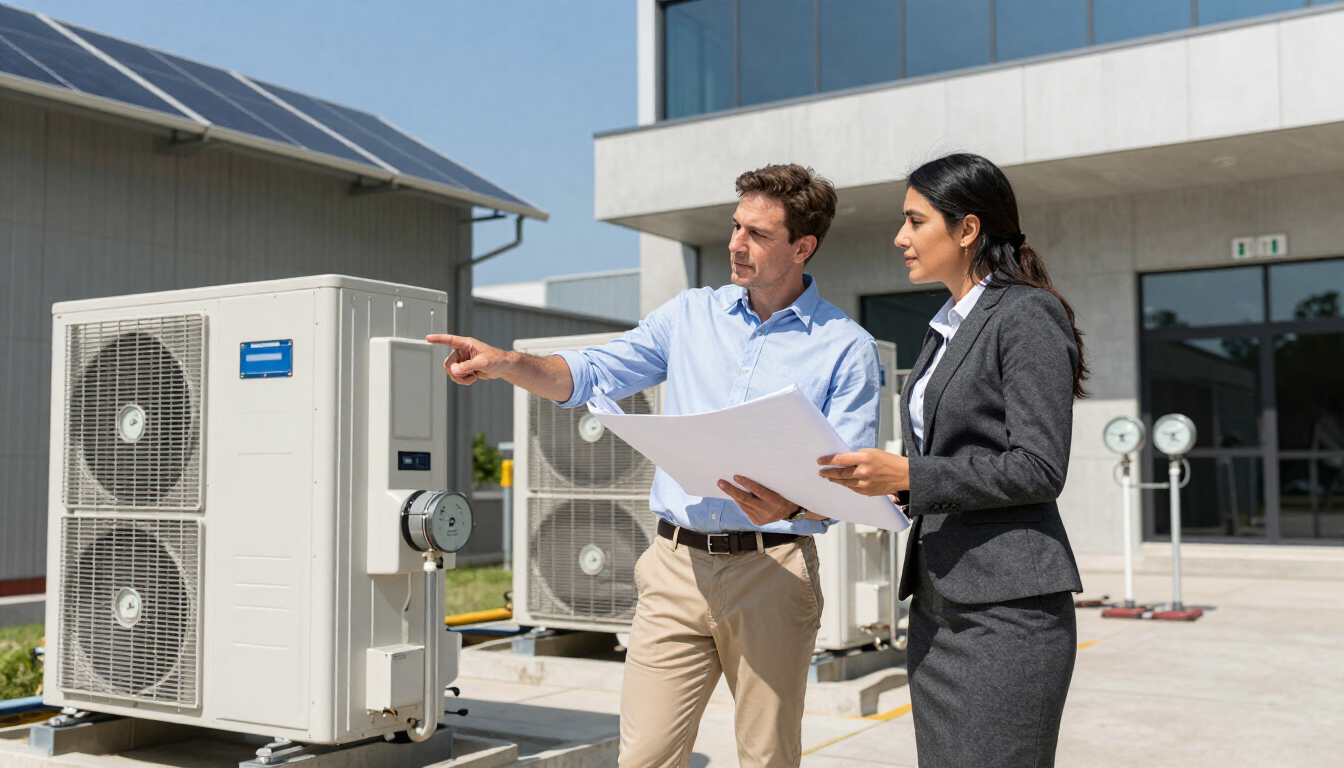
An energy audit identifies where buildings are wasting energy and provides a roadmap for improvements. Typical recommendations include HVAC upgrades, lighting retrofits, and building envelope improvements.
2. HVAC Optimization
Because HVAC is the largest energy consumer, optimizing it yields the highest impact.
- Install smart thermostats and BAS controls.
- Use demand-controlled ventilation to reduce unnecessary airflow.
- Schedule preventive maintenance to ensure peak performance.
- Upgrade to high-efficiency boilers, chillers, or rooftop units.
- Incorporate heat recovery systems to capture and reuse waste heat.
Studies show advanced HVAC controls and upgrades can reduce energy use by 10–25% in commercial buildings.
3. Lighting Efficiency
LED retrofits, daylight harvesting systems, and occupancy sensors significantly reduce lighting costs while improving quality. Utility rebates make lighting upgrades one of the fastest payback investments.
4. Building Envelope Improvements
Insulation, air sealing, and high-performance windows reduce heating and cooling loads year-round. For older Minnesota buildings, envelope improvements can cut HVAC demand by 15–30%.
5. Utility Management and Benchmarking
Utility management services help businesses take control of energy data:
- Bill auditing to find errors or overcharges
- Consumption tracking to identify waste
- Benchmarking to compare against similar properties
- Forecasting to plan for seasonal demand
6. Water Efficiency Audits
Reducing water use also cuts energy consumption, since water heating is a major load for many facilities. Low-flow fixtures, efficient dishwashers, and smart irrigation systems lower both water and utility bills.
7. Demand Response Programs
Participating in demand response programs offered by Xcel Energy and others helps businesses earn incentives while reducing strain on the grid during peak hours. BAS integration makes participation seamless.
Xcel Energy Business Programs – https://co.my.xcelenergy.com/s/business
8. Renewable Energy Integration
On-site solar panels, battery storage, and renewable energy credits (RECs) are increasingly common in Minnesota. Pairing renewables with efficiency measures ensures long-term resilience and sustainability.
Benefits of Reducing Commercial Energy Consumption
- Lower operating costs – savings of 15–30% are achievable with targeted improvements.
- Improved comfort – better HVAC and lighting create healthier, more productive environments.
- Sustainability compliance – easier reporting for city ordinances and ESG requirements.
- Increased property value – efficient buildings attract tenants and investors.
- Enhanced reliability – optimized systems are less likely to fail during extreme conditions.
FAQs About Commercial Energy Consumption in Minnesota
What’s the biggest driver of energy use in commercial buildings?
HVAC systems, which can account for 40% or more of total consumption.
Are older buildings less efficient?
Yes. Buildings constructed before modern energy codes often consume significantly more energy.
What role does benchmarking play?
Benchmarking helps businesses compare performance, meet compliance requirements, and identify opportunities for savings.
Can small businesses benefit from these solutions?
Absolutely. Even small offices, retail shops, and restaurants see measurable reductions through HVAC tune-ups, lighting upgrades, and water efficiency.
Are rebates available in Minnesota?
Yes. Utilities such as Xcel Energy, CenterPoint Energy, and Minnesota Energy Resources provide generous rebates for HVAC, lighting, and efficiency upgrades.
Why Work With Eco Energy Solutions MN LLC
At
Eco Energy Solutions MN LLC, we help Minnesota businesses understand and reduce commercial energy consumption with:
- Comprehensive energy audits
- HVAC and BAS optimization
- Lighting and building envelope upgrades
- Utility bill management and benchmarking
- Water efficiency audits
- Rebate and incentive guidance
By combining technical expertise with local knowledge, we deliver customized solutions that lower costs and support sustainability.
Take the Next Step
If you’re ready to take control of energy use and cut utility costs, start by analyzing your commercial energy consumption.
Call
Eco Energy Solutions MN LLC today to schedule a consultation, or request a quote online at
https://www.minnesotaecoenergysolutions.com/contact
We proudly serve businesses in Minneapolis, St. Paul, New Hope, and communities across Minnesota.
Recent Posts